
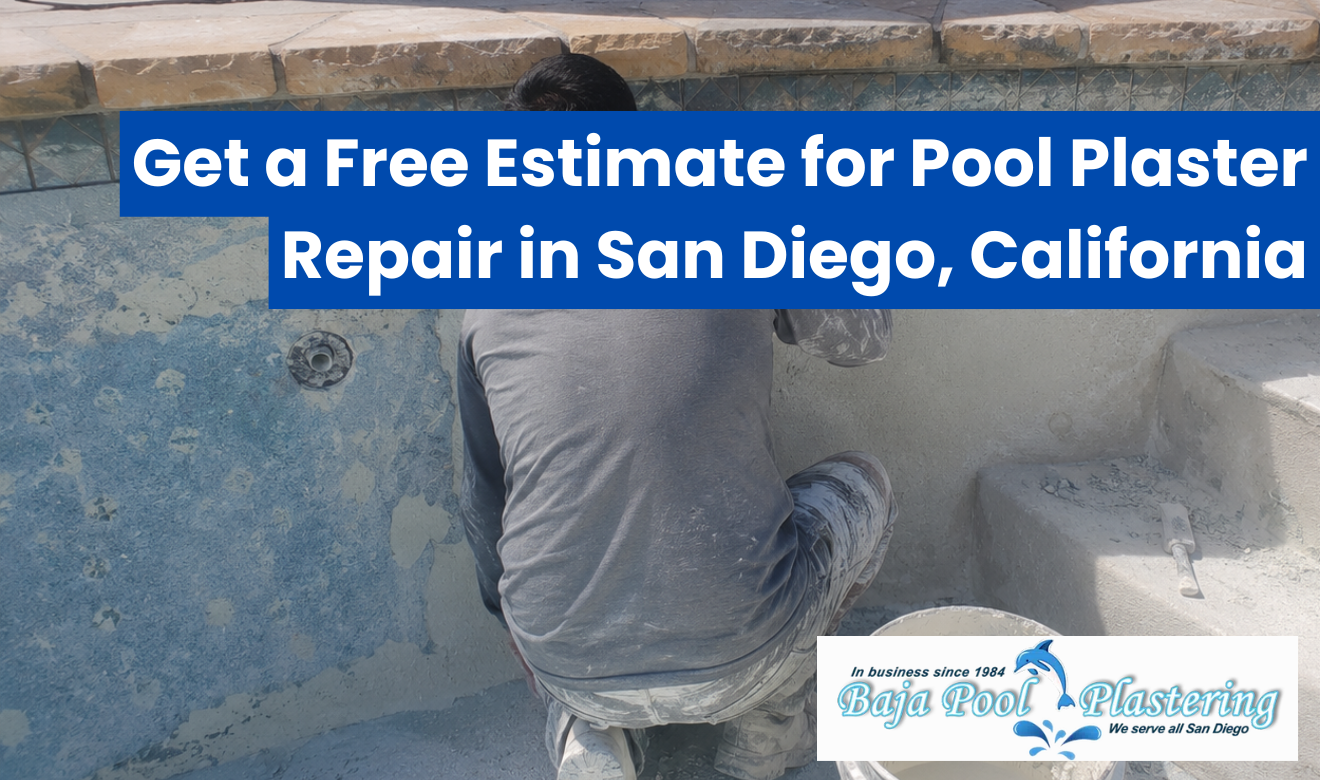
Executive Summary
To get a free estimate for pool plaster repair in San Diego that you can truly compare, the bid must document your finish type, map and test the defects, measure and calculate surface area, and specify the exact prep, repair boundaries, and start-up/cure procedure in writing. If any of those elements are missing, the “free estimate” is likely a generic number that can lead to change orders, mismatched scopes, or premature finish problems.
Core Insights
- Scope Must Be Measurable: A usable estimate records surface type, photos/defect mapping, tap-test findings, and calculated plaster square footage so bids are apples-to-apples.
- Prep Details Drive Durability: The written proposal should spell out chip-out limits, profiling/acid-wash limits, bond coat requirements, and penetration detailing because prep quality is the main predictor of repair success.
- Start-Up Protects the Finish: A defined curing/start-up plan (fill rules, brushing schedule, chemistry targets, and responsibility split) is essential to prevent streaking, etching, mottling, and early pitting.
To get free estimate for pool plaster repair San Diego means receiving an on-site or photo-based price range to restore damaged pool plaster in San Diego, California, without paying an upfront inspection fee. A proper estimate starts with identifying the surface type, such as white plaster, quartz, or pebble finish, and mapping defects like craze cracking, delamination, roughness, and spot etching on steps, benches, and the waterline tile band. In San Diego neighborhoods near the coast, salt air and higher total dissolved solids can accelerate surface scaling and pitting, so the estimate should note visible calcium nodules, flaking at return fittings, and staining around skimmers. In inland areas with harder fill water, the estimate should document scale thickness at the waterline and any “sandpaper” texture from aggressive chemistry or low pH events. Expect measurements of pool length, width, average depth, and plaster square footage, plus checks for hollow spots using tap testing, bond failures around lights and main drains, and leak indicators like ring stains at a stable waterline. A high-quality estimate also lists prep steps, such as acid wash limits, spot chip-outs, crack routing, bond coat needs, and the planned cure and start-up procedure, including brushing frequency and balanced water targets to protect the new finish.
What a “Free Estimate” Should Include for Pool Plaster Repairs in San Diego
A free estimate is only useful if it is specific enough to compare bids and scoped enough to prevent change orders. In San Diego, the estimate should document finish type, failure modes, measured surface area, and the exact repair method with start-up requirements.
For plaster repairs, “free” should not mean “generic.” A credible scope will describe the pool interior as a swimming pool finish system that depends on substrate soundness, bond strength, and water chemistry. Your estimate should capture:
- Finish identification: white plaster (marcite), quartz blend, pebble, or polished aggregate, including any prior acid washes or resurfacing history.
- Defect mapping: photos and notes for delamination, craze cracking, spalling, etching, mottling, nodules, waterline scale, rust “bleeds,” and bond failures at lights/drains/returns.
- Measurements: length, width, average depth, and calculated plaster square footage (walls + floor + steps/benches/tanning ledges).
- Site conditions: access constraints (hillside lots, gate width, HOA rules), drainage, and equipment staging space.
- Repair boundaries: what is included (chip-outs, bond coat, re-plaster) and excluded (tile replacement, coping, deck repairs, plumbing leaks) unless explicitly listed.
How Contractors Evaluate Damage Before Pricing
San Diego plaster pricing depends on whether the issue is cosmetic, structural, or chemical, because each requires different preparation and materials. A real evaluation combines visual inspection, percussion/tap testing, and targeted substrate checks around fittings and penetrations.
Expect the estimator to focus on where plaster fails first: transitions and penetrations. Key assessment steps typically include:
- Tap testing for hollows: listening for drummy sounds that indicate loss of bond (common on steps, benches, and around returns).
- Crack differentiation: separating surface craze cracks from structural movement cracks by pattern, width, and location (corners, beam line, skimmer throats).
- Penetration inspection: checking lights, main drains, returns, and skimmers for ring cracks, rust staining, or localized delamination.
- Waterline analysis: measuring scale band thickness and noting whether buildup is calcium carbonate scaling versus etched/plucked aggregate from aggressive water.
- Leak indicators: documenting consistent water level drop points (for example, stabilizing at a return, light niche, or tile line).
Because coastal microclimates can raise airborne chlorides and inland fill water can be harder, the estimate should connect visible symptoms (pitting, nodules, scale) with likely contributors (TDS, calcium hardness, and prior acid treatments) without guessing at chemistry values that were not tested.
Repair Options You Should See on the Written Estimate
Pool plaster “repair” can mean anything from small chip-and-patch to full resurfacing, and the estimate must state which you are buying. In San Diego, the most common scopes are spot repairs, partial resurfacing, or complete interior finish replacement.
Look for these clearly separated line items so you can compare proposals:
- Spot chip-out and patch: remove loose plaster to sound substrate, shape the edge to reduce a “picture frame,” apply appropriate bonding agent, and patch with a color-matched cementitious mix. Best for isolated failures, not widespread hollowing.
- Step/bench restoration: rebuild worn edges, repair delaminated treads, and correct trip hazards where plaster has popped or spalled.
- Waterline scale removal: controlled treatments (often mechanical abrasion is preferred over repeated aggressive acid washing) and a defined limit on how far down the wall the treatment applies.
- Full chip-out vs. bond coat overlay: the estimate should state whether the contractor is removing the old plaster or applying a bond coat for a new finish over an existing, properly bonded substrate.
- Complete resurfacing: prep, bond coat (if specified), new interior finish application, detailing at fittings, and full start-up procedure.
If your goal is a full interior refresh rather than a localized patch, a dedicated resurfacing scope such as San Diego Pool Repair should be listed with preparation and start-up details, not just “replaster pool.”
San Diego-Specific Factors That Affect Plaster Repair Pricing
San Diego conditions influence both the failure patterns and the labor required to fix them. The estimate should explicitly connect your location and pool environment to prep intensity and protective measures.
Common local variables to document include:
- Coastal exposure: salt air and higher dissolved solids can accelerate scaling, pitting, and staining at the waterline and around returns.
- Inland hard water: heavier calcium scale at the tile band and “sandpaper” texture where water balance was chronically aggressive or where repeated acid washing exposed aggregate.
- Sun and heat cycles: UV and temperature swings increase surface stress, especially on raised walls, vanishing edges, and dark finishes that run warmer.
- Access limitations: narrow side yards, stairs, or hillside properties increase labor for demo debris removal and material delivery.
- Drainage and stormwater control: estimates should note where wash water and debris are managed; discharges to storm drains are not treated the same as sanitary sewer disposal and must follow local requirements and best practices.
What “Prep” Must Mean in Writing (Not Just a Verbal Promise)
Most plaster failures trace back to inadequate preparation, not the finish material itself. The estimate should specify each prep step, the limits of chemical washing, and how bond will be ensured at transitions and fittings.
Require concrete language on the following:
- Drain and protect: method of draining, protection of hydrostatic relief (where present), and safeguarding tile/coping/deck edges.
- Removal plan: spot chip-outs to sound substrate versus full chip-out; criteria for deciding additional removals if hollow areas expand.
- Surface profiling: mechanical profiling or controlled washing to reach a clean, open substrate for bonding (the estimate should avoid “acid wash as needed” without limits).
- Bonding system: the specific type of bond coat or bonding agent and where it will be applied (especially on dense, previously painted, or smooth substrates).
- Detail work: fittings, light niches, main drains, skimmers, and return penetrations sealed and finished to reduce ring cracking and future delamination.
- Cleanup and haul-away: debris removal and site cleanup commitments after chipping and plastering.
Start-Up and Curing: The Part of the Estimate That Protects Your New Finish
The start-up procedure is not optional; it is a controlled curing process that affects color, smoothness, and durability. A high-quality estimate will state brushing frequency, water-fill rules, and balancing targets in writing.
At minimum, the document should include:
- Fill instructions: continuous fill without stopping at the tile line to avoid “bathtub ring” staining on fresh plaster.
- Brushing schedule: frequency and duration for the first days/weeks to remove plaster dust and prevent streaking.
- Chemistry management: balanced water goals and a prohibition on aggressive corrections (for example, large acid additions) that can etch a new surface.
- Equipment start timing: when to start circulation, filtration, and (if applicable) heating, salt systems, or cleaners.
- Owner responsibilities: what you must do versus what the contractor provides (test kits, service visits, chemical dosing).
If a bid does not include a defined start-up, you are not comparing equal scopes—even if the finish material is the same.
Required Licensing and Documentation for San Diego Pool Plaster Work
In California, swimming pool contractors are regulated, and plaster/resurfacing commonly falls under the C-53 Swimming Pool specialty classification. Your estimate should include the contractor’s license number and confirm insurance coverage appropriate for the work.
Before accepting a proposal, confirm these items are present and verifiable:
- California contractor license: the legal business name and license number as shown on the Contractors State License Board (CSLB) record.
- Insurance: proof of liability coverage; if workers are used, workers’ compensation status should be clear.
- Written scope and change-order rules: what triggers added cost (hidden hollows, substrate failures, damaged fittings) and how pricing is approved.
- Payment structure: a documented schedule tied to milestones (demo complete, prep complete, plaster applied), not vague deposits.
Estimate Checklist Table: What to Compare Across Bids
This table converts the most important scope items into side-by-side comparison points. Use it to spot missing prep steps, weak start-up language, or unclear disposal/access plans.
| Feature / Metric | Specifications | Local Guidelines |
|---|---|---|
| Measured interior surface area | Length/width/avg depth recorded; plaster sq ft calculated; steps/benches included | San Diego properties often have access limits; accurate sq ft prevents underbidding and change orders |
| Delamination / hollow spot documentation | Tap test notes; hollow areas mapped; repair boundaries stated (spot vs. expanded chip-out) | Bond failures are common around steps, returns, and lights; estimates should identify these zones |
| Prep method and limits | Mechanical prep or controlled wash; explicit limits on acid washing; bond coat/bonding agent specified | Over-aggressive acid washing can increase roughness and expose aggregate; coastal scale may require mechanical removal |
| Penetration detailing | Work described for skimmers, lights, drains, returns; sealing/finishing included | San Diego pools frequently show ring cracks at fittings; detailing reduces repeat failures |
| Start-up and curing plan | Fill rules, brushing frequency, equipment start timing, and water-balance responsibility clearly assigned | Improper start-up is a leading cause of etching, streaking, and mottling across all finishes |
| Licensing and insurance | License number, legal business name, and proof of coverage referenced in estimate packet | California contractor work should be traceable through CSLB records; keep documentation with your home records |
How to Request an Accurate Estimate (Photos, Measurements, and Questions)
You can speed up pricing and improve accuracy by providing the right images and job details up front. The goal is to reduce unknowns: finish type, extent of hollowing, and whether the pool needs full resurfacing or targeted restoration.
Send or prepare the following:
- Wide shots: full pool from each end and each long side.
- Close-ups: steps, benches, tanning ledge, and any rough patches; include a coin or tape measure for scale.
- Waterline band: straight-on photos of the tile line and scale ring, especially near skimmers and returns.
- Penetrations: lights on/off (if visible), main drain area, returns, and skimmer throat.
- History notes: approximate surface age, prior acid washes, any leak history, and whether a salt system is used.
Also ask these scope-clarifying questions so the written estimate matches what you think you’re buying:
- Is this priced as spot repair, partial resurfacing, or full interior finish replacement?
- How will hollow spots be handled if additional delamination is discovered during chip-out?
- What prep is included, and what is explicitly excluded?
- What start-up steps are included, and who is responsible for daily brushing and testing?
When Repair Is Not Enough: Signs You Need Full Resurfacing
Some pools can be patched effectively, but widespread bond loss or uniform roughness usually points to a surface at end-of-life. A good estimator will tell you when repairs are likely to telegraph or fail due to underlying delamination.
Common indicators that a full resurfacing may be the better value include:
- Multiple hollow zones across walls and floor, not just one isolated pop-off.
- Uniform roughness that causes discomfort on feet, steps, or along swim lanes.
- Widespread etching or aggregate loss where the cement paste is depleted and patches won’t blend.
- Recurring nodules and pitting especially at returns and along the waterline.
- Repeated chemical washing history that has thinned and weakened the finish.
If you’re coordinating broader work (equipment, deck, or a full remodel timeline), planning context can help; see how long it takes to build a swimming pool for scheduling expectations that often overlap with resurfacing windows and cure times.
San Diego Homeowner Takeaways That Prevent Cost Surprises
The best estimate is the one that is measurable, written, and enforceable: it describes prep, repair boundaries, and start-up responsibilities. If two bids differ, the cheaper one often omits demolition detail, bonding steps, or the curing plan that protects the new finish.
Use this final checklist before you approve any plaster repair scope:
- All visible defects are mapped and photographed, including fittings and tile band areas.
- The proposal states exact prep steps (chip-out limits, profiling method, bonding system).
- The document includes a start-up procedure with brushing and water-balance responsibilities assigned.
- Licensing/insurance details are verifiable and included with the estimate.
- Any exclusions (tile, coping, deck, leaks) are explicit so you can budget accurately.
When you follow this structure, getting a free estimate for pool plaster repair in San Diego becomes a practical, apples-to-apples comparison—one that protects your finish, your timeline, and your total cost.
Frequently Asked Questions
Get a Real Pool Plaster Repair Estimate—Before Small Defects Become a Full Resurface
Here’s what most homeowners don’t realize until it’s too late: plaster “issues” rarely stay cosmetic. What starts as roughness, nodules, or waterline scale can turn into widespread delamination, persistent staining that won’t brush out, and patchwork repairs that telegraph through the finish. And if the pool is losing bond around fittings—lights, returns, skimmers, main drains—guessing wrong on prep can mean paying twice: once for a quick fix, and again when the surface fails in the same zones.
Trying to DIY the diagnosis (or hiring someone who only gives a generic number) is where projects go sideways. Without proper defect mapping and tap testing, hollow areas get missed. Without clear prep limits, “acid wash as needed” can over-etch the surface and increase roughness. Without a written start-up plan, new plaster can discolor, streak, or pit—often from preventable fill and chemistry mistakes in the first few days. And in San Diego, coastal exposure and inland hard-water conditions change the failure patterns and the prep required, so a one-size estimate isn’t just inaccurate—it’s risky.
If you want an estimate you can actually compare (and a scope that won’t explode into change orders), you need a local plaster specialist who measures the pool, documents the failure modes, defines the repair boundaries, specifies the bonding/prep system, and puts the start-up procedure in writing. That’s how you protect your finish, your timeline, and your budget.