
Choosing a pool resurfacing material is really a bet on time — how many San Diego summers, pool parties, and chlorine cycles will your investment survive before it needs attention again? For most homeowners, pebble finish outlasts traditional plaster by roughly 10 to 15 years, but plaster remains the lower-cost option for owners who plan to resurface again within a decade anyway. The right answer depends less on which surface is “better” and more on how long you intend to own the pool, your budget today, and how much maintenance you’re willing to keep up with.
This guide breaks down how each surface performs over time, what actually shortens or extends its life, and which option makes more sense for your specific situation.
Understanding Pool Plaster
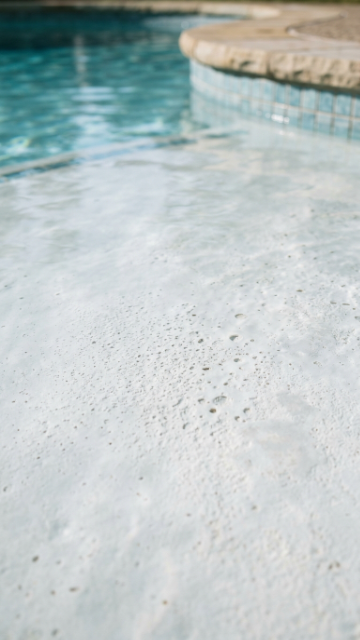 Pool plaster (sometimes called marcite) is a cement-based coating troweled onto the pool shell in a thin, smooth layer, typically finished in white or a tinted color. It has been the standard pool surface for decades because it’s affordable, relatively fast to install, and gives pools that classic, clean blue-white look.
A freshly plastered pool typically costs less upfront than a pebble finish, which is a big part of its appeal for budget-conscious renovations. The tradeoff is longevity: standard white plaster generally holds up for 7 to 10 years before it starts showing etching, staining, or a rough, sandpaper-like texture caused by water chemistry slowly dissolving the surface. Colored or polished plaster variants can push that a little further, but they’re still fundamentally the same cement-based material underneath.
Plaster’s core benefit is simplicity — it’s a well-understood product, most licensed pool contractors are experienced applying it, and repairs are generally straightforward if a small area needs patching. It tends to be the right call for owners planning to sell within the next several years, rental properties, or anyone prioritizing a lower upfront number over long-term durability.
Understanding Pebble Finish
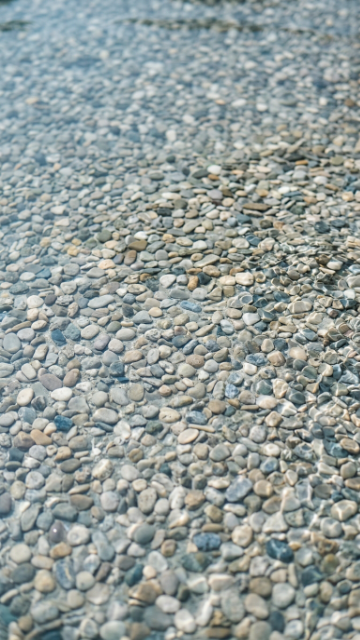 Pebble finish (often marketed under names like PebbleTec) is an aggregate surface made of small natural stones or pebbles blended into a cement matrix, then exposed and polished so the stones create the visible, textured surface. Instead of a smooth troweled layer, you’re looking at (and standing on) actual stone.
This is the primary reason pebble finish holds up so much longer in a pool surface lifespan comparison: the exposed aggregate is far more resistant to the chemical erosion that eats away at plaster. Where plaster is essentially a sacrificial cement layer, pebble surfaces rely on stone that doesn’t dissolve the same way. Most manufacturers and contractors cite a realistic lifespan of 15 to 25 years for a well-maintained pebble finish, sometimes longer in pools with consistently balanced water chemistry.
Pebble finish costs more upfront than plaster — often meaningfully more — and it can feel slightly rougher underfoot, though quality installations are finished to be comfortable to walk on. Its core benefits are durability, a richer visual texture with more color and finish options, and better resistance to staining. It tends to be the better fit for owners planning to stay in their home long-term, pools that see heavy use, or anyone who wants to avoid the disruption and cost of resurfacing again within a decade.
Side-by-Side Comparison
| Attribute | Pool Plaster | Pebble Finish |
|---|---|---|
| Upfront Cost | Lower | Higher |
| Typical Lifespan | 7–10 years | 15–25 years |
| Maintenance Needs | Moderate to high; sensitive to water chemistry | Lower; more chemical-resistant |
| Aesthetics | Smooth, classic white/blue look | Textured, richer color and stone variety |
| Repair Complexity | Generally simpler, with more contractors familiar with it | More specialized; fewer installers and careful color matching needed |
| Feel Underfoot | Smooth | Textured, varies by pebble size |
| Long-Term Value | Better if reselling or resurfacing again soon | Better for long-term ownership |
Pros and Cons Breakdown
Pros of Pool Plaster
- Lower upfront cost, easier to fit into a tighter renovation budget
- Faster, more familiar installation process for most licensed contractors
- Smooth, classic finish that suits traditional pool designs
- Simpler to patch or touch up in small repair areas
Cons of Pool Plaster
- Shorter lifespan, generally requiring resurfacing again within a decade
- More vulnerable to etching and staining from water chemistry swings
- Rougher texture develops as the surface wears, sometimes years before full replacement is needed
- Higher long-term cost if you own the pool for 15+ years, since you’re paying for resurfacing more than once
Pros of Pebble Finish
- Significantly longer lifespan, often doubling or tripling plaster’s service life
- More resistant to chemical wear and staining
- Wider range of colors, stone blends, and textures for a custom look
- Lower cost-per-year of ownership over the long run, even with a higher initial price
Cons of Pebble Finish
- Higher upfront investment
- Textured surface can feel rougher underfoot, especially with larger pebble aggregates
- Repairs require more specialized skill to blend seams and color invisibly
- Fewer contractors have deep experience installing it correctly
Which Option Is Better? The Ultimate Showdown
When you run the numbers on a true pool surface lifespan comparison, pebble finish tends to win on cost-per-year even though it loses on upfront price. If plaster needs replacing every 8 years and pebble lasts closer to 20, an owner who keeps their pool for two decades could end up resurfacing with plaster two or three times versus once with pebble — and each resurfacing job carries its own labor, draining, and downtime costs.
That said, plaster isn’t the wrong choice for everyone. Choose pool plaster if you’re working with a tighter budget right now, you plan to sell the home or move within the next several years, or you simply prefer the clean, traditional look and don’t mind resurfacing again down the line. Choose pebble finish if you’re staying in the home long-term, you want to minimize how often you deal with resurfacing disruption, or you’re already investing in a broader pool renovation and want the surface to match that long-term thinking.
San Diego’s climate adds a wrinkle worth considering: pools here often stay open and in near-constant use year-round rather than sitting closed for a winter season like in colder regions. That extra usage, plus the region’s water hardness and sun exposure, can accelerate wear on either surface if chemistry isn’t tightly managed — which slightly favors pebble’s added resilience for heavily used backyard pools.
Cost vs. Longevity: Making the Call
If you’re still weighing the decision, it helps to think in terms of cost-per-year of ownership rather than the sticker price alone. A homeowner who runs the math using a pool resurfacing cost guide will often find pebble’s higher upfront number evens out well before the 15-year mark. For anyone who wants a more precise, personalized estimate, a pool replastering cost calculator can help map out both scenarios side by side.
It’s also worth remembering that lifespan isn’t just about the surface material itself — it’s about how the surface is installed and maintained. A rushed or poorly cured pool replastering job in San Diego can fail well before its expected timeline, regardless of which material was used. That’s part of why working with an experienced, licensed pool contractor rather than a handyman matters as much as the material choice itself.
If your current surface is already showing cracks, chips, or leaks rather than simple wear, that’s a different problem than a scheduled resurfacing — see our guide on concrete pool crack repair in San Diego or pool leak detection and repair to figure out whether repair or full resurfacing makes more sense for your situation.
Ready to Extend Your Pool’s Lifespan?
Whether you’re leaning toward plaster’s affordability or pebble’s durability, the smartest next step is getting eyes on your actual pool. Surface condition, shell age, and water chemistry history all factor into which option makes sense for your specific pool. San Diego homeowners can schedule a consultation to discuss pool resurfacing options and get a straightforward recommendation based on how long they plan to keep their pool and what they’re hoping to get out of the next surface.
Conclusion & Recommendation
There’s no universal winner in the pool plaster vs. pebble finish debate — only the right fit for your timeline and budget. Plaster remains a smart, economical choice for shorter ownership horizons, while pebble finish is the stronger long-term investment for homeowners planning to stay put. When you weigh the full pool surface lifespan comparison — not just the install cost, but how many times you’ll likely resurface over 15 to 20 years — pebble finish usually comes out ahead on total value, even though plaster wins on day-one affordability.
Frequently Asked Questions
How long does pool plaster actually last in San Diego?
How long does pool plaster actually last in San Diego?
Most plaster surfaces in San Diego pools last around 7 to 10 years before etching, staining, or texture changes signal it’s time to resurface. Heavy pool use and inconsistent water chemistry can shorten that window.
Is pebble finish really worth the extra cost compared to plaster?
Is pebble finish really worth the extra cost compared to plaster?
For owners planning to keep their pool 15+ years, yes — pebble finish’s longer lifespan typically means fewer resurfacing cycles, which can offset the higher upfront cost over time.
Does San Diego’s climate affect how long a pool surface lasts?
Does San Diego’s climate affect how long a pool surface lasts?
Yes. Year-round pool use and the region’s water hardness can accelerate surface wear on both plaster and pebble finishes if chemistry isn’t well maintained, making regular water testing especially important here.
Can I switch from plaster to pebble finish when I resurface?
Can I switch from plaster to pebble finish when I resurface?
In most cases, yes. When a plaster pool is due for resurfacing, it’s a common opportunity to upgrade to a pebble finish rather than reapplying plaster again.
What shortens the lifespan of a pool surface the most?
What shortens the lifespan of a pool surface the most?
Imbalanced water chemistry (especially low pH or high chlorine levels) is the leading cause of premature wear on both plaster and pebble surfaces, followed by poor original installation quality.
Is pebble finish rougher on skin and feet than plaster?
Is pebble finish rougher on skin and feet than plaster?
It can feel more textured, particularly with larger pebble aggregates, but quality installations are polished enough to remain comfortable. Smaller pebble blends offer a smoother feel closer to plaster.
How do I know if my pool needs resurfacing versus a simple repair?
How do I know if my pool needs resurfacing versus a simple repair?
Surface-wide roughness, staining, or chalky texture usually point to resurfacing, while isolated cracks or chips may only need targeted repair. A professional inspection is the most reliable way to tell.
Does a longer-lasting surface mean less maintenance overall?
Does a longer-lasting surface mean less maintenance overall?
Pebble finish generally requires less intensive maintenance to preserve its appearance and structure compared to plaster, though both still need regular chemical balancing and cleaning.