
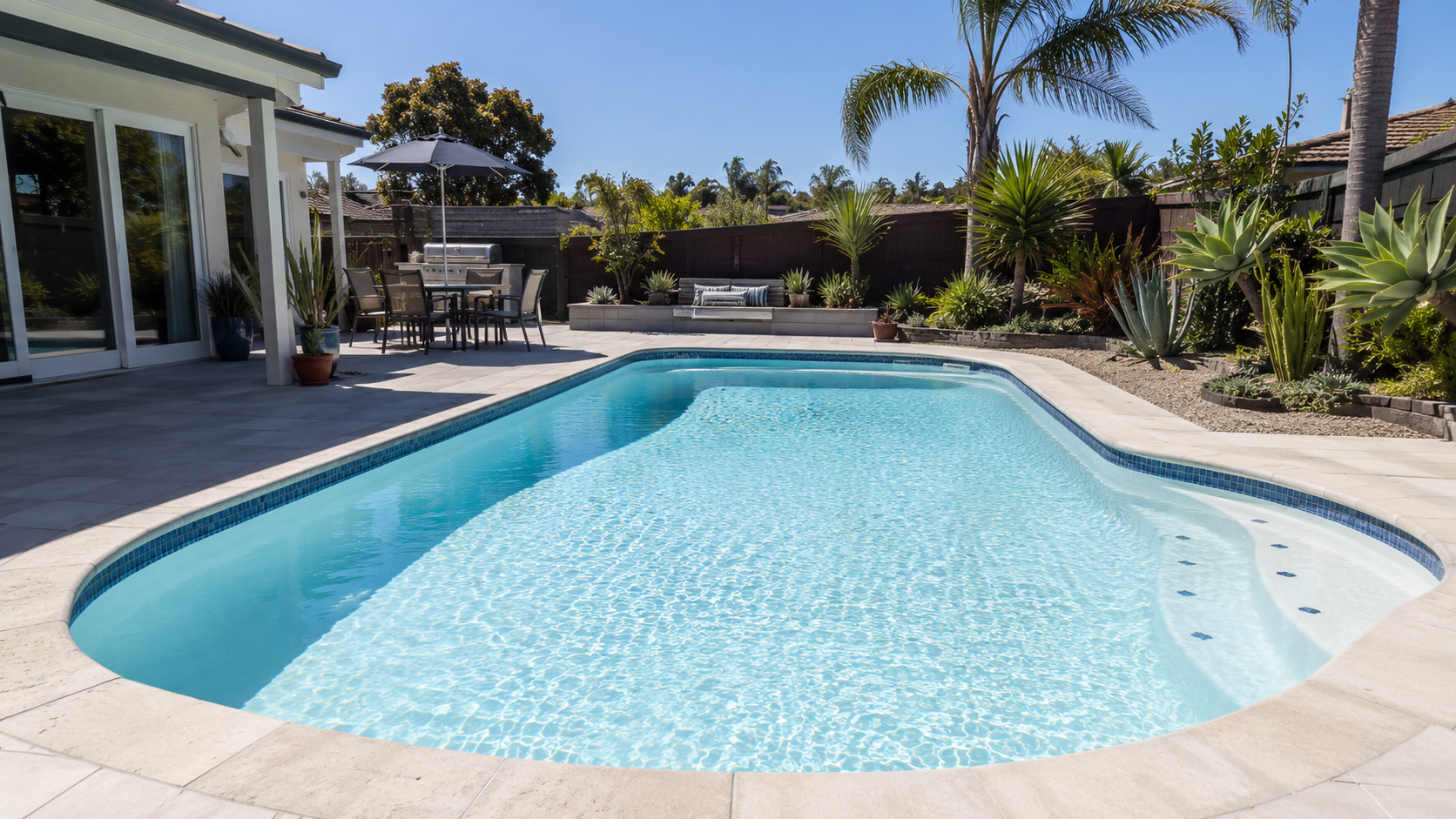
 Choosing the right pool plastering contractor is one of the most important decisions a San Diego pool owner will make. A pool’s plaster finish isn’t just cosmetic — it protects the shell, affects water chemistry, and determines how long your pool stays watertight and beautiful. Hire the wrong contractor, and you could be looking at premature cracking, staining, or a redo within a few short years. Hire the right one, and your pool surface can perform well for well over a decade.
If you’re trying to figure out how to choose a pool plastering contractor in San Diego, this guide breaks down exactly what to look for — licensing, experience, materials, warranties, and the questions that separate a qualified crew from a risky gamble. At Baja Pool Plaster, we’ve built our reputation on doing this work right the first time, and we want San Diego homeowners to know what “right” actually looks like before they sign a contract.
Why This Service Matters
Pool plaster is the layer standing between your pool’s structure and everything the water and weather can throw at it — sun exposure, chemical balance, temperature swings, and years of use. When plaster is applied poorly or by an inexperienced crew, problems don’t always show up right away. They surface months or even a year or two later, often after the warranty has expired and the contractor is long gone.
The risks of choosing the wrong contractor include:
- Premature cracking, delamination, or spotting caused by improper mixing or curing
- Rough, uneven, or discolored finishes that were never fixed correctly
- Chemical imbalance issues from plaster that wasn’t cured or started up properly
- Wasted money on a resurfacing job that has to be redone within a few years instead of lasting 10–15+
- Difficulty getting warranty claims honored because the contractor isn’t licensed or insured
On the other hand, working with an experienced, licensed plastering company means your pool gets a finish that’s durable, smooth, and properly cured from day one — protecting both your investment and your enjoyment of the pool for years to come.
Common Problems This Service Solves
Homeowners usually start researching how to pick a qualified contractor after running into (or trying to avoid) one of these situations:
 “I got quotes that were wildly different in price.” A huge price spread usually means contractors are quoting different materials, different surface prep, or cutting corners somewhere. Understanding what should be included in a quote helps you compare apples to apples.
“My last plaster job started cracking or staining early.” This is one of the most common reasons San Diego homeowners switch contractors. It’s often tied to poor surface prep, incorrect plaster mixing, or a rushed curing/startup process — all things a qualified crew should get right.
“I don’t know the difference between plaster, PebbleTec, and quartz finishes.” Different surface options have different lifespans, textures, and price points. If you’re weighing your options, our comparison of PebbleTec vs. pool plaster and quartz finish vs. pebble finish can help you decide which surface fits your pool and budget before you even start interviewing contractors.
“I’m not sure if I need a full resurfacing or just a repair.” Not every pool needs a complete replaster. If you’re seeing isolated cracks, our guide to concrete pool crack repair in San Diego can help you figure out whether a targeted repair or a full pool replastering makes more sense.
“I’m worried about hiring an unlicensed handyman instead of a real contractor.” This is a valid concern in San Diego’s pool trade, where unlicensed operators sometimes underbid licensed companies. Knowing the difference matters — and is worth researching before you sign anything.
Our Service Process
Choosing a contractor is easier when you understand what a properly run plastering project actually looks like. Here’s how a qualified process should work, and how we approach it at Baja Pool Plaster:
- On-site evaluation. A qualified contractor inspects your existing surface, shell condition, and any visible cracking, staining, or structural concerns before quoting anything.
- Clear, itemized proposal. You should receive a written scope of work that specifies the plaster or finish type, surface prep steps, drain-and-refill process, and estimated timeline — not a vague verbal estimate.
- Surface preparation. This includes draining the pool, acid washing or bead-blasting the old surface, and repairing any cracks or structural issues before new plaster goes on. Skipping or rushing this step is one of the biggest causes of early plaster failure.
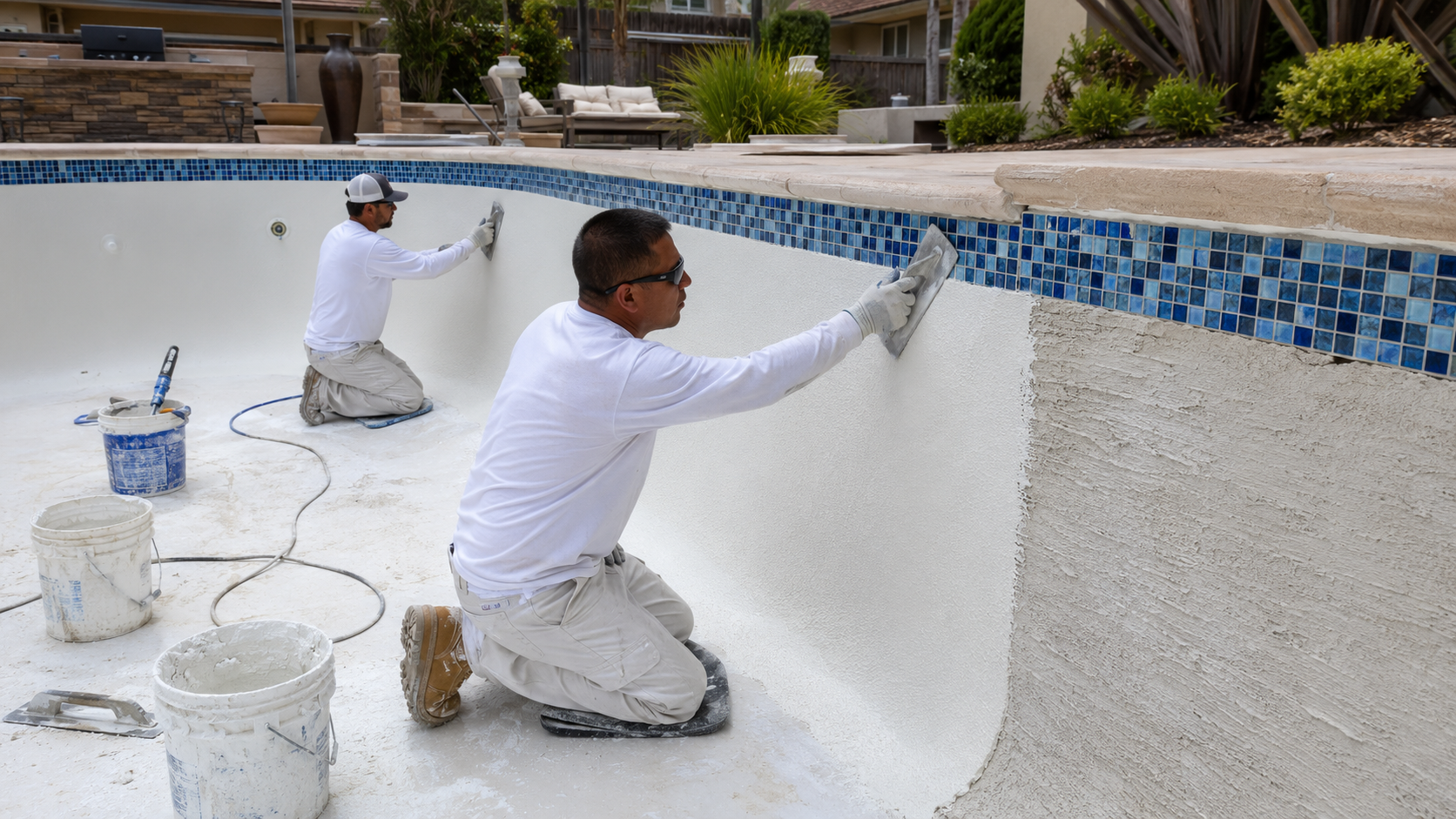
- Plaster application. The new finish is mixed and applied by an experienced crew, working efficiently so the material cures evenly across the entire surface.
- Fill and startup chemistry. Proper startup — including fill rate, brushing schedule, and initial water balancing — is critical to how the plaster cures and how it will look and perform for years to come.
- Final walkthrough. A reputable contractor reviews the finished surface with you, answers questions, and explains any warranty coverage and ongoing care recommendations.
If you’d like a step-by-step breakdown before your project starts, our pool replastering checklist covers what to expect from start to finish.
Why Choose Baja Pool Plaster
Homeowners across San Diego choose Baja Pool Plaster because we treat plastering as a craft, not a commodity. Our approach is built around:
- Local, hands-on experience. We work on pools throughout San Diego County and understand the region’s climate, water chemistry challenges, and common shell conditions.
- Transparent, itemized quotes. You’ll know exactly what’s included — surface prep, materials, and process — before work begins.
- Proper surface prep and curing. We don’t shortcut the steps that determine whether your new finish lasts years or fails early.
- Direct communication. You’ll be able to reach us with questions before, during, and after the job — not just during the sales pitch.
- A range of services, from full pool resurfacing to targeted pool surface repair and complete pool remodeling and renovation, so you get the right scope of work for your pool’s actual condition rather than being upsold on something you don’t need.
We’d also encourage you to see what real customers have said about their experience — homeowners in La Jolla and Rancho Bernardo have shared feedback on their finished projects, which can give you a sense of what to expect when you work with us.
Pool Plastering Across San Diego
Choosing the right contractor matters even more in San Diego, where pools face year-round sun exposure, mineral-heavy water in some areas, and a wide range of property types — from older mid-century pools in established neighborhoods to newer custom builds. Older plaster surfaces in the region often show their age through chalking, roughness, or staining well before homeowners expect a redo, which is part of why understanding proper contractor vetting matters here specifically.
We work with homeowners throughout the greater San Diego area and nearby communities, and it helps to know the local landscape when evaluating any contractor’s experience. If you’re comparing notes with neighbors, it’s worth reading about pool plastering work we’ve done in El Cajon, La Mesa, Bonita, and Lakeside — areas near San Diego where we’ve completed resurfacing and replastering projects for homeowners with similar concerns.
Whether your property is closer to the coast or further inland, San Diego’s climate means pools stay in near-constant use for much of the year, which puts added wear on plaster surfaces and makes contractor experience — not just price — the deciding factor for most homeowners.
Cost, Timeline, and What to Expect
Pool plastering costs vary depending on several factors: pool size and shape, the condition of the existing surface, the type of finish you choose (standard plaster, quartz, or pebble), and how much surface prep or crack repair is needed before the new finish goes on. A pool with significant existing damage or structural repairs will generally cost more and take longer than a straightforward resurfacing job.
Timeline depends on similar factors — the drain, prep, plaster application, and curing/startup process typically span roughly one to two weeks from start to a swimmable pool, though this can shift based on weather, curing conditions, and the scope of work. Rather than guessing at a number, the most reliable way to understand pricing for your specific pool is a written quote based on an in-person or photo-based evaluation.
If you want to get a general sense of pricing ranges before requesting a quote, our pool resurfacing cost guide for San Diego and our pool replastering cost calculator are good starting points. And if you’re still deciding between a repair and a full renovation, our comparison of pool replastering vs. a full pool remodel breaks down when each option makes financial sense.
Ready to Hire a Pool Plastering Contractor You Can Trust?
Choosing the right contractor is the single biggest factor in how long your pool’s new surface will last. At Baja Pool Plaster, we give San Diego homeowners the transparency, experience, and proper process that a plastering project deserves — from the first evaluation to the final walkthrough.
If you’re ready to move forward, or you’d simply like a straight answer about what your pool needs, call (619) 458-3443 or email info@bajapoolplaster.com to request your free quote. Our team is ready to walk you through your options and get your pool looking — and performing — like new.
Frequently Asked Questions
How do I know if a pool plastering contractor is licensed in California?
How do I know if a pool plastering contractor is licensed in California?
You can verify a contractor’s license status directly through the California State License Board (CSLB) website using their license number, which any legitimate contractor should provide without hesitation. Licensed contractors carry insurance and bonding, which protects you if something goes wrong. Always ask for the license number upfront and confirm it’s active before signing a contract.
What’s the difference between a licensed pool contractor and a handyman?
What’s the difference between a licensed pool contractor and a handyman?
A licensed contractor has passed state licensing requirements, carries liability insurance, and is legally accountable for the work performed. A handyman may offer lower prices but typically lacks the licensing, insurance, and accountability that protect you if the plaster fails or an issue arises. For a full breakdown, see our comparison of licensed pool contractors vs. handymen.
How much does it cost to replaster a pool in San Diego?
How much does it cost to replaster a pool in San Diego?
Cost depends on pool size, the finish type you choose, and how much surface repair is needed before replastering. Rather than a flat number, most contractors provide a written quote after evaluating your pool’s specific condition. Our San Diego pool resurfacing cost guide walks through the factors that typically affect pricing.
How long does a pool replastering project take?
How long does a pool replastering project take?
Most replastering projects take roughly one to two weeks from draining to a swimmable pool, depending on the scope of prep work, weather, and curing time. Pools needing significant crack repair or structural work may take longer.
What questions should I ask before hiring a pool plastering contractor?
What questions should I ask before hiring a pool plastering contractor?
Ask about licensing and insurance, what surface prep is included, what plaster or finish materials they use, what warranty they offer, and whether they provide a written itemized quote. For a full list, see our guide on questions to ask before hiring a pool contractor.
How long does pool plaster typically last?
How long does pool plaster typically last?
Properly applied and maintained plaster typically lasts many years, though lifespan varies by finish type, water chemistry, and maintenance habits. Our pool surface lifespan comparison breaks down how plaster, quartz, and pebble finishes compare over time.
Do I need a full resurfacing or just a repair?
Do I need a full resurfacing or just a repair?
It depends on the extent of the damage. Isolated cracks or small surface issues may only need targeted repair, while widespread staining, roughness, or structural cracking usually calls for a full resurfacing. A written evaluation from a licensed contractor is the most reliable way to know which applies to your pool.
Does Baja Pool Plaster serve areas outside San Diego proper?
Does Baja Pool Plaster serve areas outside San Diego proper?
Yes, we work with homeowners throughout San Diego County, including nearby communities. Contact us to confirm service availability for your specific address.