
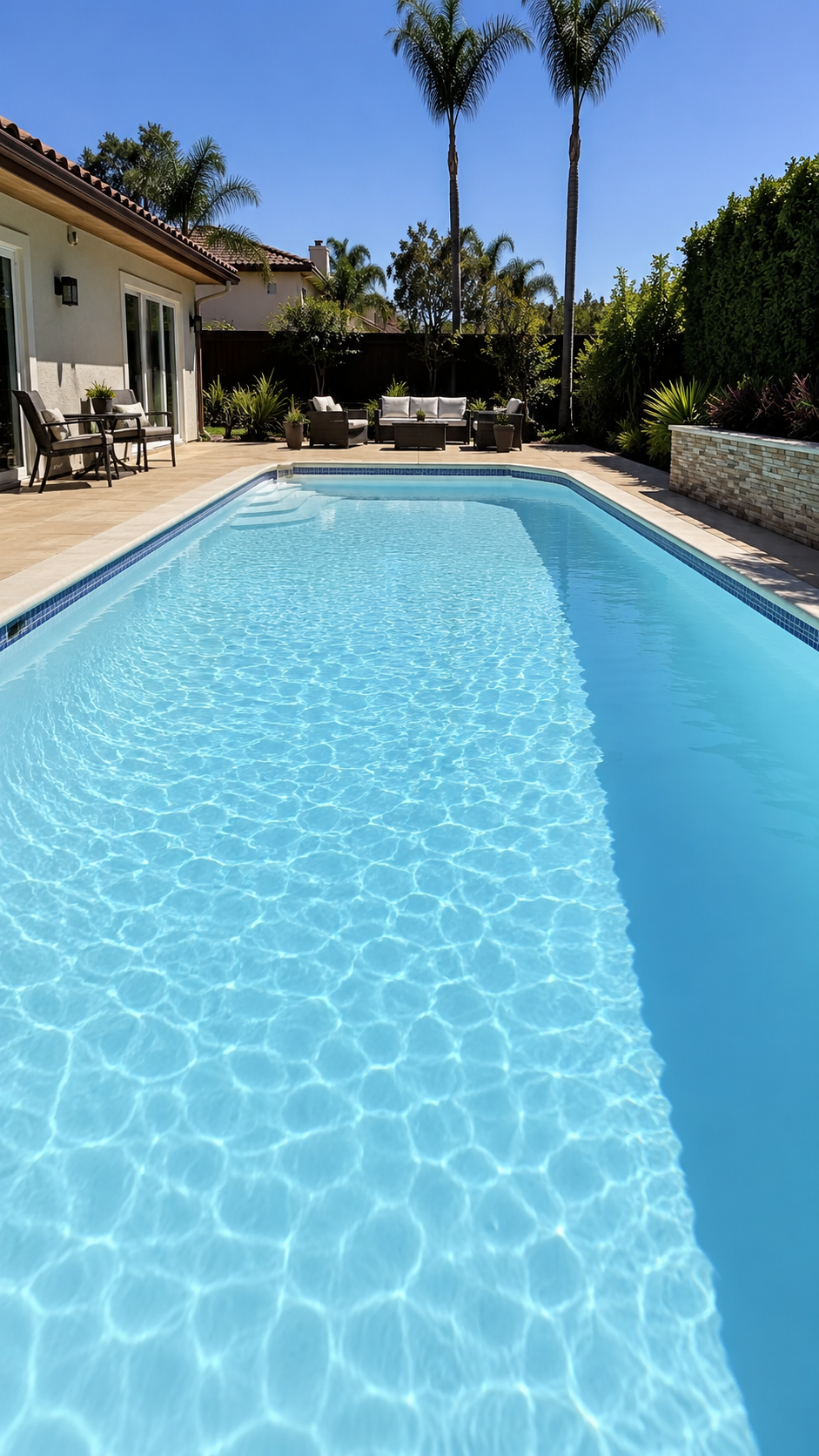
 If your pool’s surface feels rough, looks stained, or shows visible cracks, it’s telling you something important: the plaster has reached the end of its life. Pool replastering San Diego is the process of removing an old, worn pool surface and applying a fresh, durable finish that protects the underlying concrete shell while restoring the smooth, inviting look your pool had on day one.
At Baja Pool Plaster, we specialize in professional pool replastering for homeowners throughout San Diego and the surrounding communities. Whether your pool is showing early signs of wear or has gone years without resurfacing, our team helps you understand exactly what’s happening beneath the surface and what it takes to fix it right — with no guesswork and no shortcuts.
Why Pool Replastering Matters
Plaster isn’t just cosmetic — it’s the protective barrier between pool water and the concrete or gunite shell underneath. When plaster wears down, water chemistry can begin attacking the structure itself, leading to problems that are far more expensive than a routine resurfacing job.
Delaying replastering when it’s needed can lead to:
- Increased chemical costs as rough, porous surfaces harbor algae and make water balance harder to maintain
- Structural exposure, where thinning plaster allows water to reach and erode the concrete shell beneath it
- Safety hazards, including rough or flaking surfaces that can scrape skin or feet
- Higher repair costs down the road, since a small resurfacing job today can prevent a major structural repair later
- Reduced property value and curb appeal, especially for homes preparing to sell
Acting early, while the damage is still cosmetic rather than structural, is almost always the more cost-effective path. That’s why understanding the warning signs matters just as much as the replastering work itself.
Common Problems Pool Replastering Solves
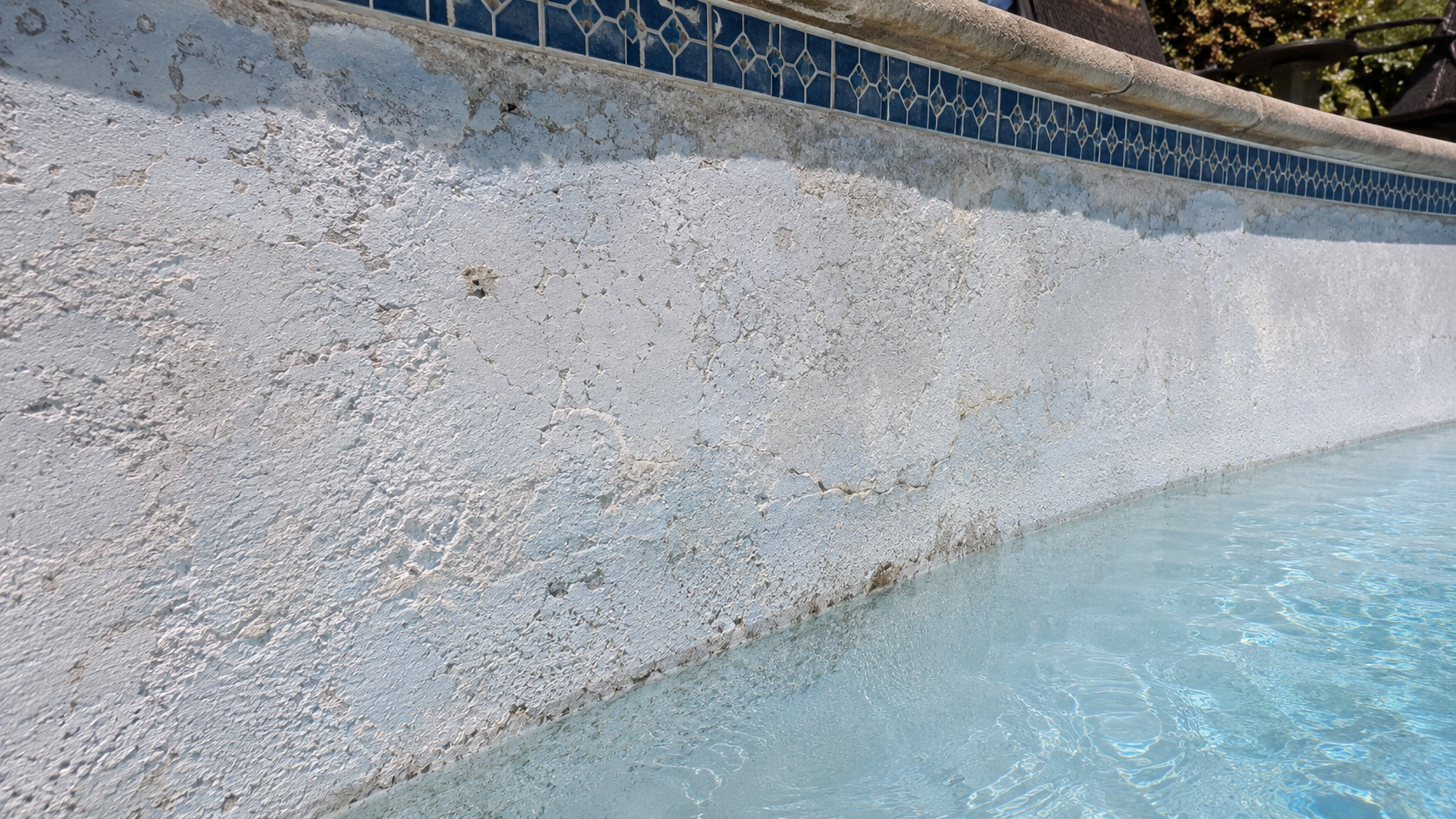 Homeowners typically reach out to us after noticing one or more of the following issues:
Rough or sandpaper-like texture. As plaster ages, it loses its smooth finish and becomes abrasive to the touch — often the first sign that resurfacing is due.
Staining and discoloration. Mineral deposits, algae staining, or uneven color patches usually can’t be scrubbed away once they’ve penetrated aging plaster.
Cracking and etching. Hairline cracks, chipped areas, or etched patches (often from improper water chemistry over time) compromise both appearance and water-tightness. For pools with more significant structural cracking, our concrete pool crack repair San Diego service may be the right starting point before replastering.
Chronic water clarity issues. If your water stays cloudy despite proper chemical balance, degraded plaster releasing calcium or mineral particles into the water is a common culprit.
Unexplained water loss. Persistent water loss can sometimes point to surface-level cracking rather than a plumbing leak — our pool leak detection & repair San Diego team can help you rule that out before resurfacing begins.
Aging pools nearing 15–20 years without resurfacing. Even plaster that looks acceptable can be structurally thinning if it hasn’t been redone in over a decade.
Our Pool Replastering Process
We approach every project with the same structured process, so homeowners always know what to expect.
- On-site inspection and assessment. We evaluate your pool’s current surface condition, shell integrity, and any underlying issues like cracking or leaks.
- Water drainage. The pool is fully drained in preparation for surface work.
- Old plaster removal. The existing surface is chipped away or acid-washed down to the structural shell, depending on condition.
- Surface repair. Any cracks, chips, or structural imperfections are addressed before new plaster is applied — this is where issues identified during our pool surface repair San Diego evaluation get resolved.
- Plaster (or alternative finish) application. A new plaster, quartz, or pebble finish is applied evenly across the entire pool surface. If you’re weighing your finish options, our comparison of PebbleTec vs. pool plaster and quartz finish vs. pebble finish can help you decide before we begin.
- Curing and startup. The pool is refilled, and water chemistry is carefully balanced during the critical initial curing period to protect the new surface.
- Final walkthrough. We review the finished surface with you and provide care guidance for the weeks following the project.
Every step is designed to protect your investment and set the new surface up for a long service life.
Why Choose Baja Pool Plaster
Homeowners choose Baja Pool Plaster because we treat every pool as a long-term investment, not a one-time transaction. Our approach centers on:
- Local expertise. We understand how San Diego’s climate, water conditions, and soil types affect pool surfaces differently than other regions.
- Transparent assessments. We tell you what your pool actually needs — whether that’s a full replaster, targeted pool surface repair, or a broader pool remodeling and renovation — instead of upselling unnecessary work.
- Attention to prep work. Most plaster failures trace back to poor surface preparation. We never rush this stage.
- Clear communication. You’ll know what’s happening at each phase of the project, from drainage to curing.
- A full range of resurfacing options. From traditional plaster to pool resurfacing with quartz or pebble finishes, we help you choose the right surface for your pool’s age, use, and budget.
If you’re comparing contractors, our guide on how to choose a pool plastering contractor and our list of questions to ask before hiring a pool contractor can help you evaluate any company — including us — with confidence. It’s also worth understanding the difference between licensed pool contractors vs. handymen before committing to a resurfacing project.
Pool Replastering San Diego: Local Considerations
San Diego’s coastal climate and year-round pool usage put unique demands on plaster surfaces. Consistent sun exposure accelerates UV-related wear, while the mineral content in local water supplies can contribute to scaling and discoloration over time if chemistry isn’t carefully managed.
We regularly work on pools throughout San Diego’s diverse neighborhoods, including inland communities like El Cajon and Lakeside, coastal and hillside areas like La Jolla, and nearby cities such as La Mesa, Rancho Bernardo, and Bonita. Property types vary widely across these areas — from older gunite pools in established neighborhoods to newer builds in developing communities — and each brings its own considerations for plaster age, prior repair history, and surface condition.
Because San Diego pools are used nearly year-round, surfaces here tend to show wear differently than in regions with seasonal pool closures. That makes periodic inspection especially important, even for pools that don’t show obvious problems yet.
Cost, Timeline & What to Expect
Every pool replastering project is different, and final cost depends on several factors:
- Pool size and surface area — larger pools require more material and labor
- Current surface condition — pools needing extensive crack repair or structural work before replastering will cost more than straightforward resurfacing jobs
- Finish type selected — traditional plaster, quartz, and pebble finishes each come at different price points
- Accessibility — pools with difficult equipment access may affect labor time
- Additional repairs identified during inspection — such as tile work, plumbing, or equipment issues discovered during draining
Timeline typically depends on pool size, weather conditions during curing, and whether additional repairs are needed before the new surface is applied. For a general sense of what affects pricing, our pool resurfacing cost San Diego 2026 guide and pool replastering cost calculator can give you a helpful starting point, and our pool crack repair cost guide is useful if structural repair is part of the scope.
If you’re unsure whether replastering or a larger renovation makes more sense for your pool, our breakdown of pool replastering vs. a full pool remodel walks through how to make that decision. And if you want to understand how long different surface types typically last, our pool surface lifespan comparison is a helpful reference.
The most accurate way to understand cost and timeline for your specific pool is a direct, on-site assessment — every pool’s history and condition is different.
Frequently Asked Questions
How do I know if my pool needs replastering?
How do I know if my pool needs replastering?
Common signs include a rough or sandpaper-like texture, visible staining that won’t scrub away, cracking or chipped areas, cloudy water despite balanced chemistry, and plaster that’s over 15–20 years old. A physical inspection is the most reliable way to confirm.
How long does pool replastering take in San Diego?
How long does pool replastering take in San Diego?
Timeline varies based on pool size, surface condition, and curing requirements, but most projects move through draining, surface prep, application, and curing within a defined multi-day to multi-week window depending on scope. An on-site assessment gives the most accurate estimate for your pool.
Is pool replastering the same as pool resurfacing?
Is pool replastering the same as pool resurfacing?
Replastering refers specifically to applying a new plaster finish, while resurfacing is a broader term that can include plaster, quartz, or pebble finishes. Many homeowners use the terms interchangeably, and we help you choose the right finish type for your pool’s needs.
Can I replaster my pool myself?
Can I replaster my pool myself?
Replastering requires precise surface preparation, material mixing, and application technique. Mistakes during these steps often lead to premature cracking, staining, or bonding failure, which is why most homeowners rely on a professional pool contractor for this work.
Does San Diego’s water affect how often I need to replaster?
Does San Diego’s water affect how often I need to replaster?
Local water mineral content and consistent year-round pool use can contribute to surface wear over time. Regular water balance maintenance helps extend plaster life, but eventual replastering is a normal part of pool ownership.
What’s the difference between plaster, quartz, and pebble finishes?
What’s the difference between plaster, quartz, and pebble finishes?
Plaster is the traditional, most affordable finish. Quartz finishes add extra durability and texture variety. Pebble finishes are the most durable and textured option, often chosen for long-term wear resistance. The right choice depends on budget, aesthetics, and how the pool is used.
Do you serve areas outside of San Diego proper?
Do you serve areas outside of San Diego proper?
Yes, we work with homeowners throughout San Diego and nearby communities. Contact us to confirm service availability for your specific location.
What should I do to prepare my pool before a replastering appointment?
What should I do to prepare my pool before a replastering appointment?
In most cases, our team will handle draining and preparation as part of the service. We’ll walk you through any steps you need to take beforehand during your initial consultation.