
San Diego County is tightening access to some of its most popular waterfall hikes as summer temperatures spike and rescue calls climb. Officials say the goal is simple: prevent more heat-related emergencies while conserving limited personnel and helicopter resources that may be needed for wildfire response. For many families in San Diego, CA, this also changes how they’ll look for safe ways to cool down and stay active through August.
Why these closures matter for San Diego residents during peak heat
When extreme heat makes outdoor recreation riskier, people naturally pivot to alternatives closer to home—especially swimming pools. That shift increases pool usage across San Diego, CA, which can expose weak spots in older pool finishes and equipment, and it can also raise the need for heat-smart pool upgrades that keep water cleaner, surfaces safer, and systems running efficiently during high-demand weeks.
What happened in the backcountry—and why officials acted now
Who announced the closures
Officials with the Cleveland National Forest announced the temporary shutdown of two well-known hiking zones in San Diego County after repeated heat-related incidents and an ongoing stretch of extreme temperatures.
What areas are closed
The San Diego River Gorge and the Three Sisters hiking areas are closed to the public for the remainder of August. These closures affect high-traffic destinations that draw hikers seeking waterfalls and scenic canyon routes.
Where the impacted trails and destinations are located
The closure area includes routes associated with Cedar Creek Falls and Three Sisters Falls—two of the most frequented hiking goals in San Diego County during summer.
When the closures apply
The shutdown is in place for the rest of August, with officials indicating they will reevaluate as temperatures ease.
Why the closures were necessary
According to forest officials, there were 11 heat-related medical rescues and 18 additional heat-related public assists recorded between July 1 and Aug. 4 in and around the San Diego River Gorge Trail and the Three Sisters–Cha’chaany Hamuk Trailhead. Officials also noted that these trails can be especially hazardous because the most difficult uphill portion often comes on the return—when hikers are hotter, more fatigued, and more likely to be low on water.
The overlooked ripple effect: when hikes close, pools become the go-to in San Diego
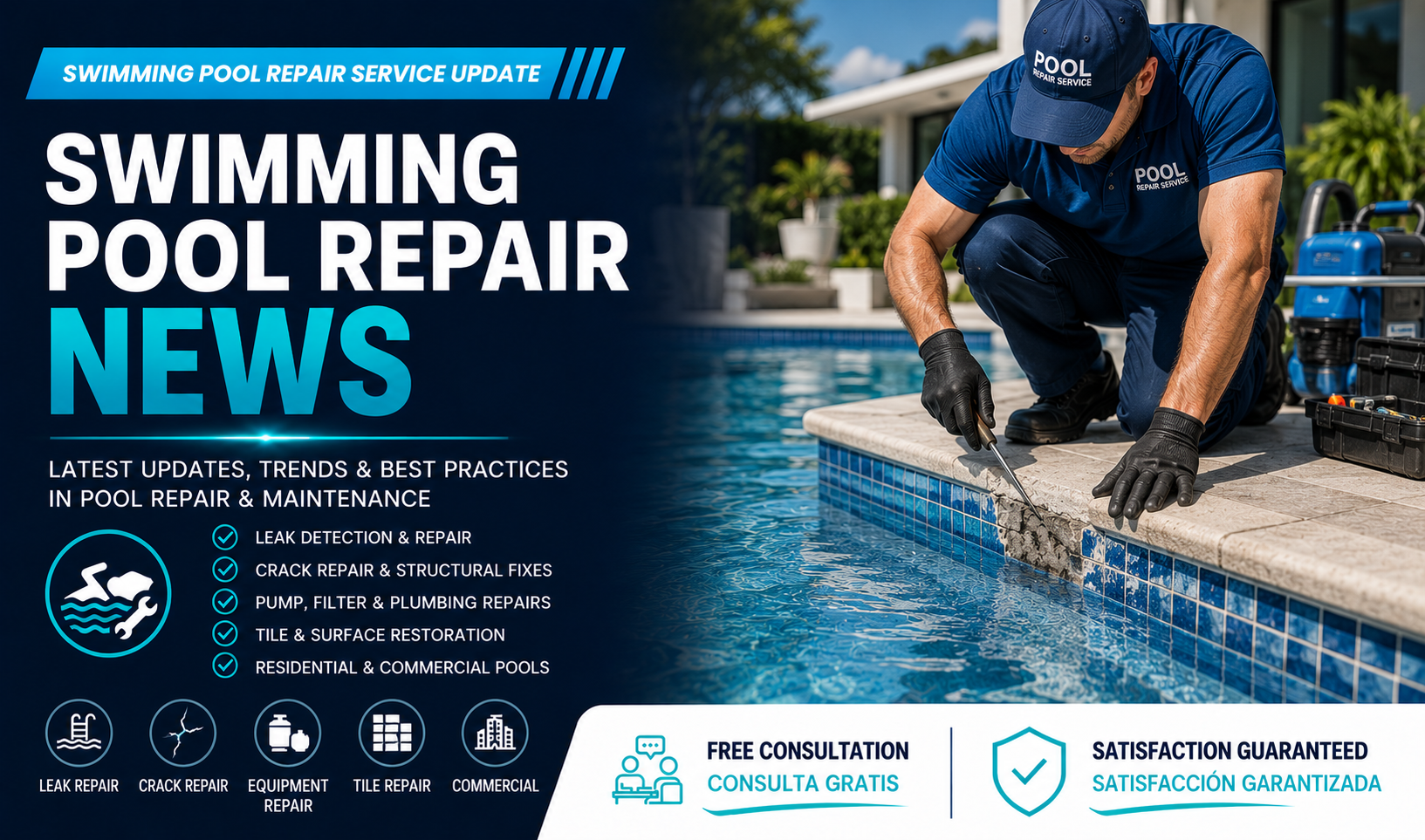
When hiking areas close in San Diego, CA, residents don’t stop looking for outdoor relief—they redirect to beaches, parks, and backyard pools. That’s where a swimming pool contractor’s perspective becomes especially relevant: higher bather loads, hotter air temperatures, and more intense sun exposure can stress pool plaster and finishes, accelerate chemical consumption, and make small surface issues feel bigger (roughness, staining, scaling, and discomfort on feet).
Just like steep canyon trails can turn risky when conditions change, a pool can also become problematic when its surface is worn or its water chemistry is harder to maintain in extreme heat. If your pool finish is aging, peak summer is often when you first notice it—because you’re using the pool more often and the sun is working against you daily.
How a Swimming Pool Contractor can help you stay safe and comfortable at home
For homeowners across San Diego, CA, keeping your pool comfortable during heat waves is about more than aesthetics—it’s about creating a safer, cleaner, easier-to-maintain environment when your pool becomes the family’s main outdoor outlet.
Baja Pool Plaster supports San Diego-area pool owners by addressing one of the most important (and most ignored) parts of pool comfort and longevity: the pool interior finish. When plaster is worn, it can feel rough, hold onto stains, contribute to scaling, and make water balance more difficult during the hottest parts of the year. A refreshed finish and properly planned resurfacing timeline can help reduce recurring issues and improve the overall swimming experience.
Local considerations for San Diego, CA homeowners during extreme heat
Heat waves in San Diego, CA can push pool water temperatures up quickly, especially in full-sun backyards. Combined with heavier daily use, that can mean faster chlorine burn-off, more frequent filter loading, and more visible surface imperfections. If you’re in San Diego, CA and you’ve recently shifted from trail plans to pool days, it’s a good time to pay attention to early warning signs like discoloration, rough patches, or persistent scaling at the waterline.
Actionable takeaways for staying cool safely—without trading one risk for another
- If your usual outdoor plans are canceled due to heat, choose water-based activities that you can manage safely—shade, hydration, supervision, and breaks still matter even at home.
- Watch for pool surface warning signs: roughness, flakes, stains, or scaling can worsen under heavy summer use and intense UV exposure.
- Keep water chemistry consistent during heat waves; hot weather often increases chemical demand and algae pressure.
- Don’t ignore comfort issues—if the pool plaster is irritating feet or showing wear, consider an inspection before it becomes a bigger repair.
- Plan upgrades strategically: late-summer evaluations can set you up for resurfacing or improvements at the right time for your schedule and budget.
Frequently Asked Questions
Next step: make your pool the safest “Plan B” during heat waves
If your household is swapping trail days for pool days in San Diego, CA, it’s worth ensuring your pool finish and overall condition are ready for heavy summer use. To explore resurfacing or pool plaster solutions, contact Baja Pool Plaster and ask about options that fit your pool’s age, use level, and comfort goals.
This article is a commentary-based rewrite for informational purposes, based on source.