
Surface
Resurfacing or replastering
New plaster, quartz or pebble finish — see pool resurfacing.
Serving San Diego County · CSLB #452824
Mon–Fri 8am–6pm
Pool Remodeling & Renovation · San Diego
Faded plaster, rough surfaces, outdated tile, or a design that no longer fits how your family uses the space — a well-planned renovation can make a pool look, feel and function like new.
Baja Pool Plaster handles comprehensive renovations for San Diego homeowners who want more than a quick patch job: a lasting, professionally finished pool that holds up to the climate and daily use.
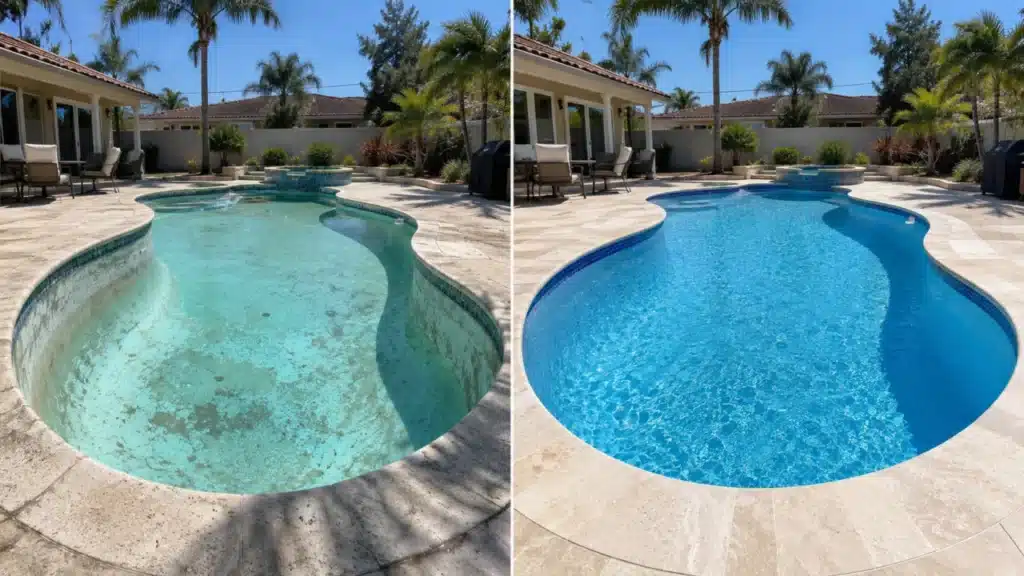
Pool Remodeling Explained
Pool remodeling is not just about appearances. Over time plaster wears thin, concrete shells develop cracks, tile grout deteriorates, and outdated equipment becomes inefficient and costly to run. A well-planned renovation addresses surface, structure and finish together.
Whether you are refreshing a decades-old pool or reimagining its look, the goal is to do it right the first time.

Short answer
A pool remodel or renovation
Updates more than the surface. It combines resurfacing or replastering with any crack and leak repair the shell needs, and — when the scope calls for it — tile, coping, design or equipment updates, planned as one project instead of separate repairs year after year.
When a lighter-touch job is enough
Compare Your Options
If the surface is worn but the shell, tile and equipment are otherwise sound, resurfacing or replastering alone may be enough. A full remodel makes more sense when several issues — cracking, leaks, outdated tile, aging equipment — are happening at the same time.
| Situation | Usually the right scope | Why |
|---|---|---|
| Worn surface, sound shell, tile and equipment | Resurfacing or replastering | Only the finish has reached the end of its life. |
| Rough or peeling texture in one area | Targeted surface repair | Depending on severity, it can be resolved without a renovation. |
| Surface repairs that keep recurring | Resurfacing or full replastering | Another round of patching rarely lasts. |
| Cracks, leaks, dated tile and old equipment at once | Full remodel & renovation | Fixing everything together gives a more durable, cohesive result than piecemeal work. |
For a deeper comparison, read pool replastering vs a full pool remodel.


Common Problems
Homeowners usually reach out after noticing specific issues rather than deciding to “remodel” in the abstract.
Plaster that no longer looks clean after cleaning and balancing — often worn past the point where spot repair helps.
Cracks suggesting the concrete has shifted or deteriorated — evaluated through our concrete pool crack repair process.
Frequently linked to hidden leaks in plumbing, fittings or shell cracks — investigated through pool leak detection and repair.
Dated tile, shallow-end configurations or steps that no longer match how the family uses the pool.
Repairs that keep recurring are a sign that resurfacing or full replastering is the better long-term fix.
This can sometimes be resolved with targeted pool surface repair instead.
Why Timing Matters
A pool is one of the largest investments in a San Diego backyard, and neglecting its condition creates problems that compound over time.
Risks of waiting
Benefits

Our Renovation Process
You know what to expect at each stage, and the finished pool performs well for years.
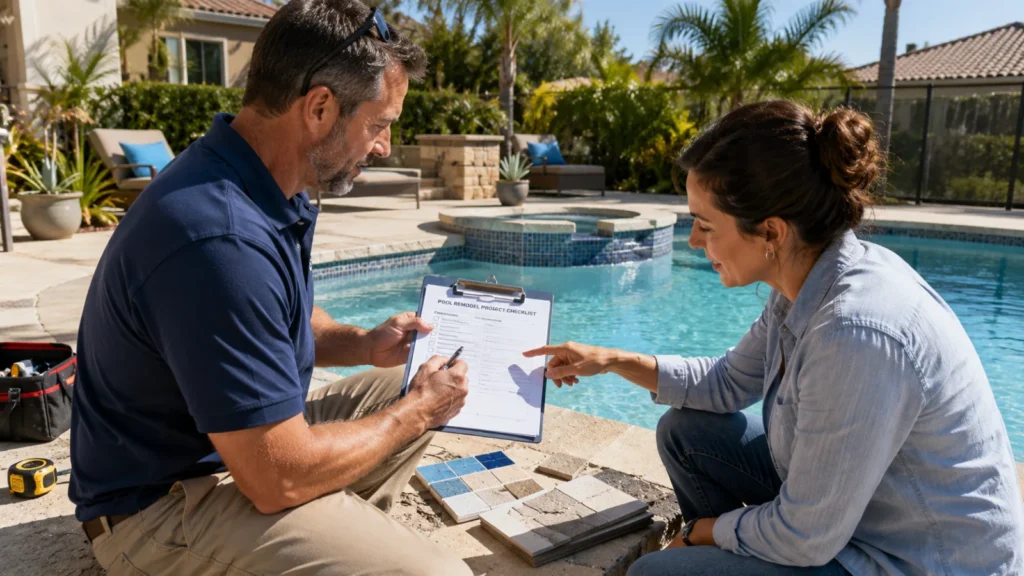
We evaluate the surface, shell, plumbing and equipment to find what is driving the need for renovation — cosmetic wear, structural cracking or persistent leaks.
We outline the right combination of services — resurfacing, replastering, crack repair, tile replacement or equipment upgrades — and walk through finish and design options.
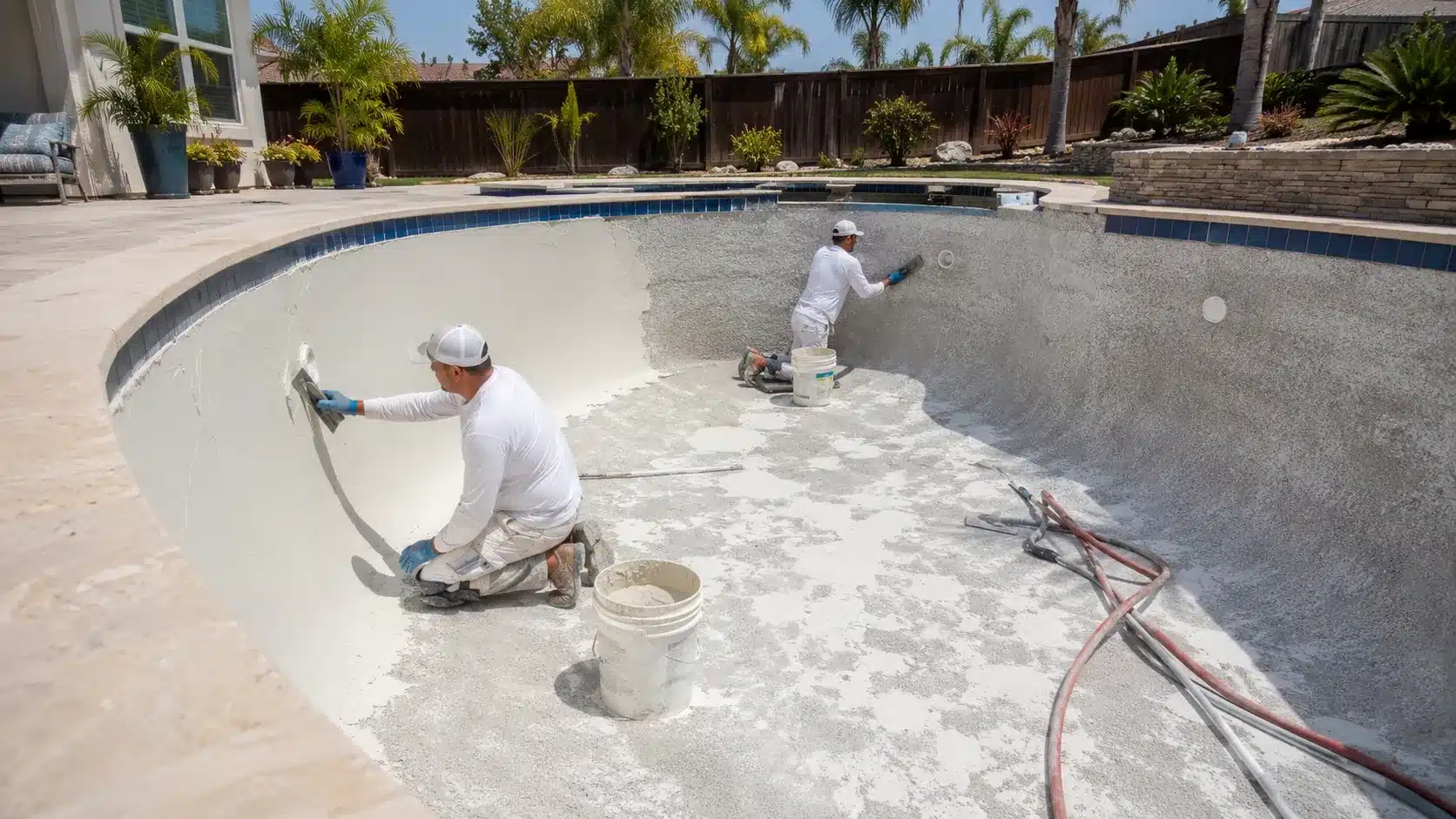
The pool is drained and the existing surface is prepped — removing old plaster or hydro-blasting the shell — so the new finish bonds correctly.
Cracks and structural concerns are fixed before new finishes go on; plaster over unresolved structural issues only masks the problem.
A new plaster, pebble or quartz finish is applied with proper technique and curing procedures.
If the scope includes tile or deck updates, they are installed to match the renovated surface and overall design.
The pool is refilled and water chemistry balanced through the initial curing period — critical to how the new surface sets and performs.
We review the completed renovation with you and go over care guidance for the new surface.
What a Renovation Can Include
Every renovation is scoped from the assessment — you only pay for what the pool actually needs. Finish choices are covered in PebbleTec vs pool plaster and quartz vs pebble.
New plaster, quartz or pebble finish — see pool resurfacing.
Structural cracks resolved before any finish — see crack repair.
Leaks in plumbing, fittings or the shell — see leak detection.
Tile and coping updated to match the renovated surface.
Changes that fit how the family actually uses the pool today.
Replacing outdated equipment that is inefficient and costly to run.
Cost & Timeline
It depends on pool size, current condition, the finish you choose and any additional work such as tile or equipment.
Cost factors
Because every pool is different, an on-site assessment gives you an accurate estimate — a general figure rarely applies.
Starting points: the pool resurfacing cost guide, the replastering cost comparison and, if cracks are involved, the pool crack repair cost guide.
Timeline factors
You get a timeline specific to your renovation at the consultation, so there are no surprises.
Most renovations move through these stages in sequence, so the pool is out of use for a period:
Afterwards, the pool surface maintenance guide covers how to protect the investment.

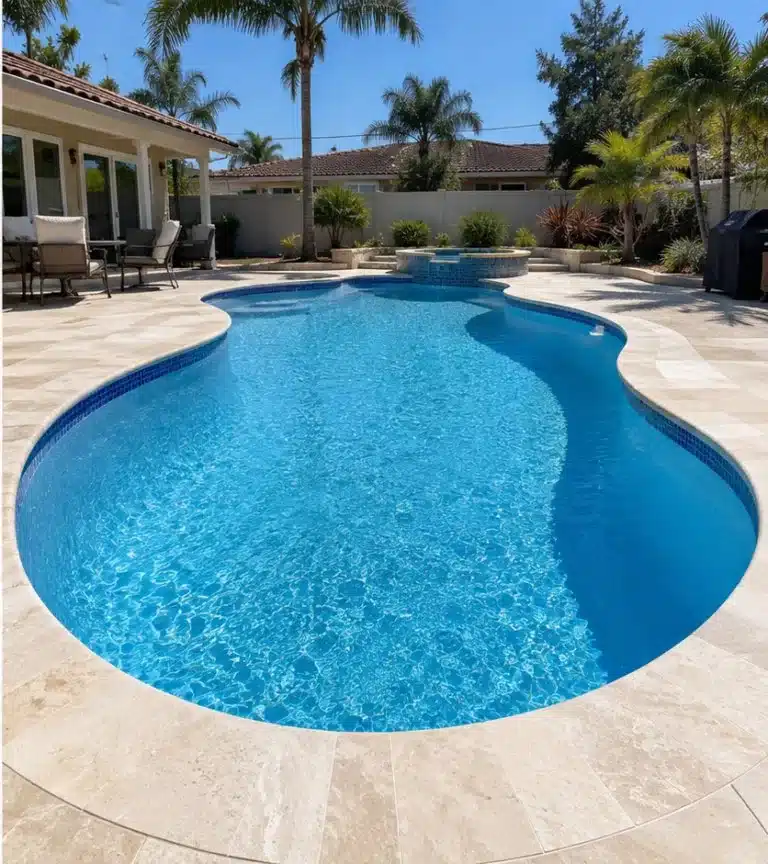
Local Relevance
Intense sun and a warm climate mean San Diego pools are used — and exposed to UV and chemical stress — nearly year-round, which wears surfaces faster than in regions where pools sit dormant part of the year.
Neighborhood by neighborhood
Wherever you are in the greater San Diego area, we can evaluate your pool’s condition and recommend the right scope of work.
Why Baja Pool Plaster
We focus on pool surfaces, structure and renovation — not general pool cleaning. We also give you the information to decide: our pool replastering checklist, pool renovation planning guide, and guides on choosing a pool plastering contractor, questions to ask before hiring and licensed contractors vs handymen.
Plastering, resurfacing, crack repair, leak detection and full renovations — not a broad list of unrelated services.
We do not apply new finishes over unresolved cracks or leaks. The underlying issue comes first.
How San Diego’s coastal climate, soil conditions and older construction methods affect renovation decisions.
A straightforward explanation of what your pool needs and why — not a one-size-fits-all recommendation.
Your consultation is with Ruben Castillo, CSLB License #452824, who has re-plastered pools across San Diego County for decades.

Related Services
The services a renovation is usually built from.
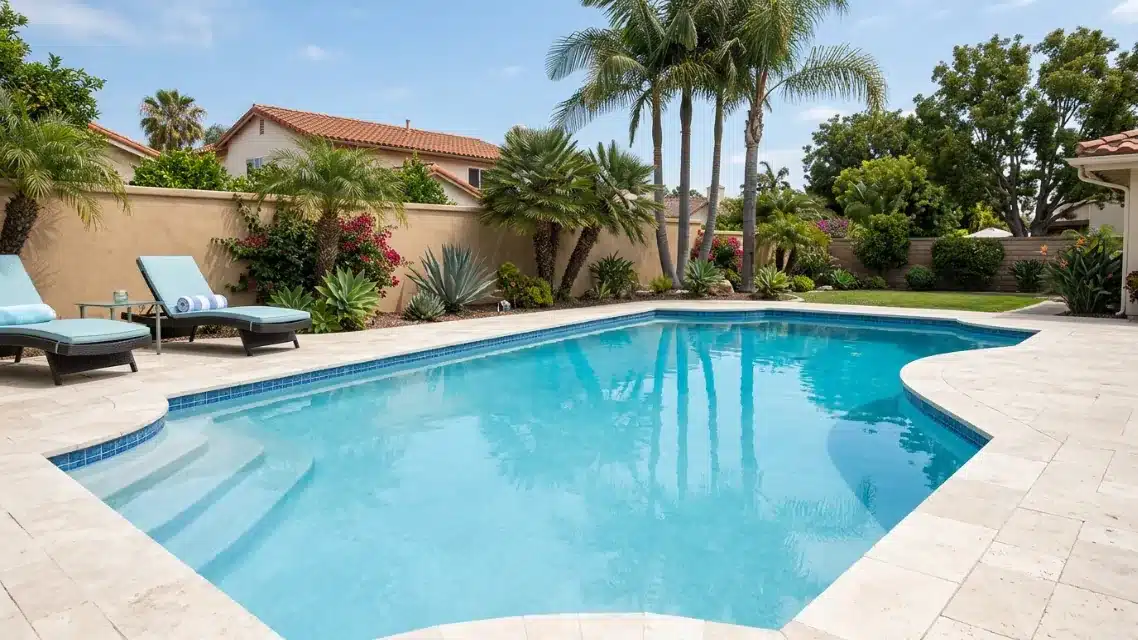
New finish
Plaster, quartz or pebble — the core of most renovations.

Structure first
Shell cracks resolved before any new surface.

Water loss
Hidden leaks found and fixed as part of the plan.
If only the surface needs work, see Pool Replastering or Pool Surface Repair.
Pool Owner Resources
Scope, budget and the questions to ask before you commit to a remodel.
Hiring & Planning Guide
A roadmap for planning a resurfacing, replastering or full remodel project.

Pool Finish Comparison
How to decide between a new surface and a broader remodel.

Hiring & Planning Guide
The questions that separate a careful contractor from a rushed one.
Frequently Asked
Direct answers to what San Diego homeowners ask before a renovation. For your specific pool, call Ruben — the advice is free.
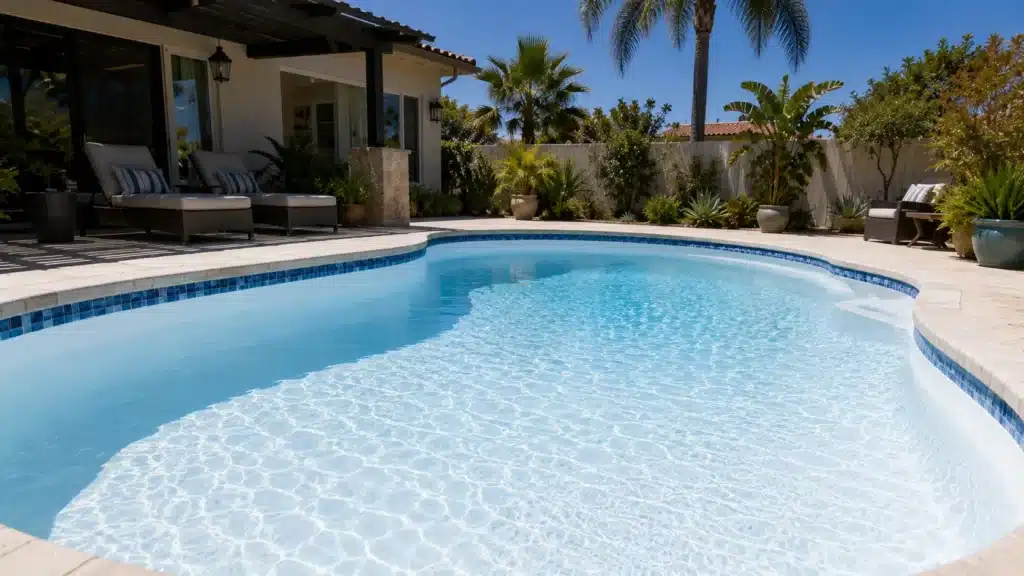

If the surface is worn but the shell, tile and equipment are otherwise sound, resurfacing or replastering alone may be enough.
A full remodel makes more sense when multiple issues — cracking, leaks, outdated tile, aging equipment — are happening at the same time. The replastering vs full remodel guide breaks this down, and a professional assessment can confirm which fits your pool.
It varies with pool size, current condition and scope of work.
A straightforward resurfacing project moves faster than a renovation involving crack repair, leak resolution or tile replacement. We provide a project-specific timeline after assessing your pool.
Resurfacing is the broader term and can include several finish types; replastering specifically means applying a new plaster coat.
Both address a worn surface — the right choice depends on your pool’s current finish and condition. See pool resurfacing and pool replastering.
Yes. A proper renovation addresses cracks and leaks before new surfacing is applied, rather than covering them up.
We evaluate the shell and plumbing during the assessment and resolve underlying problems as part of the process, using dedicated crack repair and leak detection services when needed.
Standard plaster, pebble and quartz finishes, each with different textures, appearances and expected durability.
The PebbleTec vs pool plaster and quartz vs pebble comparisons help you decide.
It depends on pool size, current condition, chosen finish, and additional work like tile or equipment upgrades.
Because every pool is different, we recommend a consultation for an accurate estimate. The cost guide explains what typically drives pricing.
Yes — we work with homeowners throughout San Diego County, from coastal neighborhoods to inland communities.
Contact us to confirm service availability for your address.
It depends on the finish type, water chemistry maintenance and usage — visible signs like roughness, staining or persistent cracking are a clearer indicator than a fixed timeline.
The pool surface lifespan comparison explains how different finishes age.
Ask about their experience with pool surfaces and structural repair, how they handle cracks or leaks found mid-project, what finishes they offer, and whether they are licensed for this work.
Our guide on questions to ask before hiring a pool contractor covers this in more depth.
Usually, yes. Resurfacing, replastering and crack repair all require draining so the shell and surface can be properly prepped and repaired.
We explain the draining and refill process for your project during the consultation.
Start Your Project
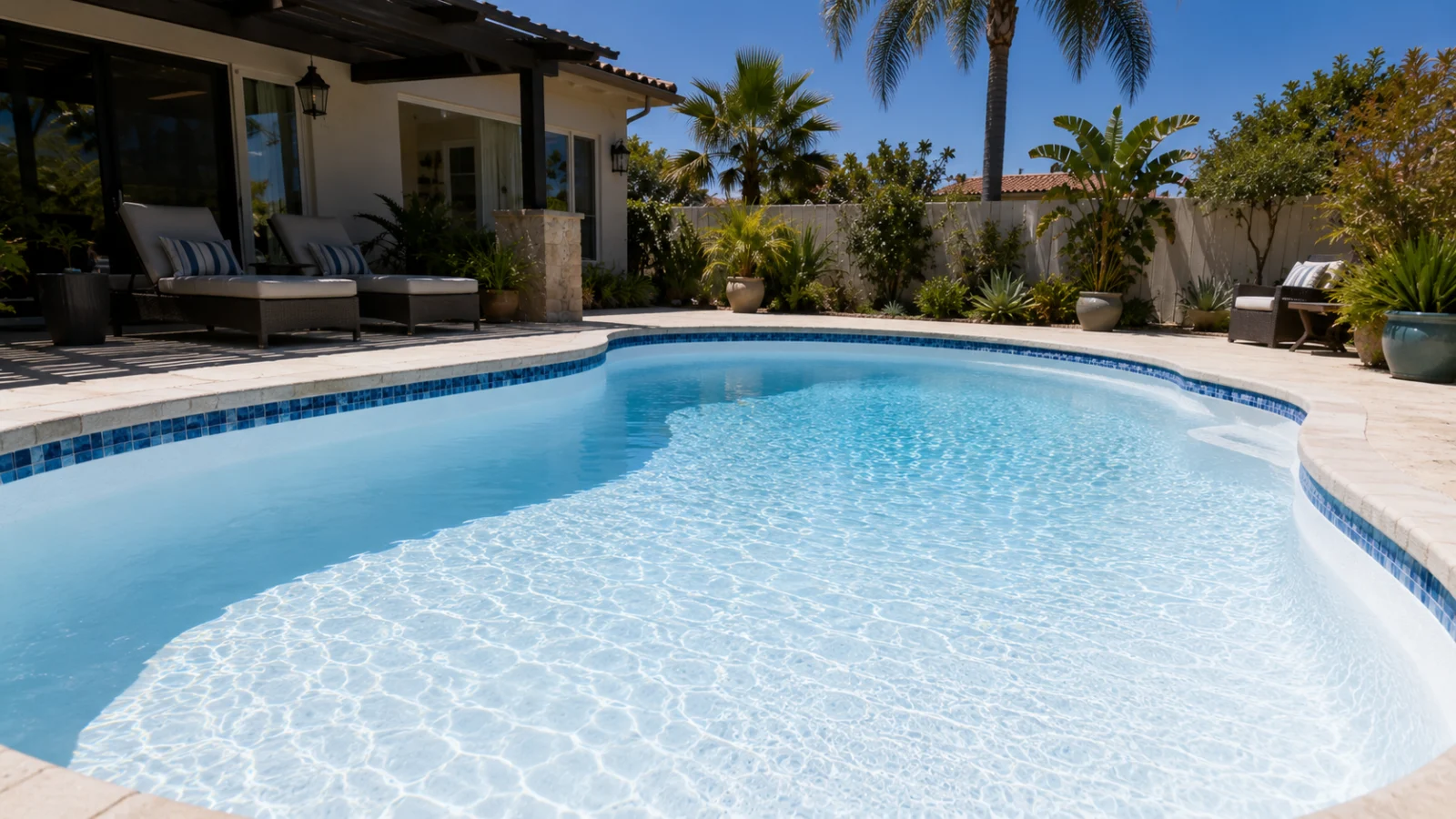
Worn plaster, cracks or a design that no longer fits your home do not have to stay that way. Call (619) 458-3443 or email info@bajapoolplaster.com to schedule a consultation and get a clear, honest plan for your renovation.
What happens next
Three details and Ruben will call you back to arrange a look at the pool.
"*" indicates required fields
Or call (619) 458-3443.