
Key Takeaways
Pool renovation cost San Diego homeowners can expect depends most on the pool’s size/features, existing condition, material selections, access constraints, and whether demolition uncovers hidden repairs. The most reliable way to control surprises is to compare bids using a clearly defined scope that specifies prep, materials, allowances, and startup responsibilities.
- Scope category drives the budget: Proposals typically fall into cosmetic refresh, mid-level renovation, or full renovation, and pricing shifts based on what’s being replaced versus repaired and what demolition reveals once surfaces are removed.
- Estimate details determine “apples-to-apples” comparison: A professional bid should spell out draining/protection, demolition and surface prep (including how hollow areas and cracks are handled), finish specifications, tile/coping quantities, equipment and electrical scope, startup/water balancing roles, and exclusions/allowances for unknowns.
- Hidden conditions and site constraints are the biggest wildcards: Access limitations (narrow side yards, stairs, slopes) and uncovered issues like hollow plaster, structural cracks, leaks, rusted rebar, failing skimmers, or bonding/grounding concerns can expand labor and specialty repair scope, so reputable contractors clarify what’s included versus priced as additional repairs.
The pool renovation cost San Diego homeowners can expect varies widely based on the pool’s size, existing condition, and the scope of work, from simple resurfacing to full equipment and plumbing upgrades. In practice, pricing is driven by labor, materials, access to the backyard, and whether repairs uncover issues like hollow plaster, leaks, or outdated electrical components that need correction.
Renovations matter in San Diego’s climate because year-round pool use can accelerate wear on plaster, tile, coping, decks, and pumps—especially when water chemistry has been inconsistent. Common renovation items include resurfacing (plaster/pebble finishes), replacing waterline tile, updating coping and decking, installing new pumps/filters/heaters, adding LED lighting, and bringing safety and electrical work up to current standards using qualified professionals.
This guide breaks down typical local price ranges, the main cost drivers that affect bids, and what’s usually included in a professional renovation estimate so you can compare proposals and plan a realistic budget.
Typical Pool Renovation Cost Ranges in San Diego (What Homeowners Usually Pay For)
Pool renovation cost San Diego homeowners see on proposals typically clusters into a few common “project types,” ranging from cosmetic refreshes to major structural and mechanical overhauls. Your final number depends on what’s being replaced, what’s being repaired, and what the demo work reveals once surfaces are removed.
Most renovation bids include a mix of labor, materials, equipment rental (demo/haul-off), and specialty trades (electrical, gas, plumbing) when needed. Because pools are integrated systems, changing one component—like the finish—can expose or require updates to others, like the tile line, skimmers, or bonding/grounding.
- Cosmetic refresh: Addressing worn finish, minor tile/coping touch-ups, and basic deck repairs.
- Mid-level renovation: New interior finish plus waterline tile, coping repair/replace, and selective equipment upgrades (pump, filter, lights).
- Full renovation: Major surface work, expanded deck or hardscape, significant plumbing replacement, new equipment set, and electrical/safety upgrades.
Expect wider ranges when access is difficult (hillsides, narrow side yards), when demolition is heavy (thick mortar beds, multiple prior resurfaces), or when the pool has hidden issues such as leaks, rusted rebar, or failing skimmer throats.
What’s Usually Included in a Professional Renovation Estimate
A complete estimate should spell out the specific scope, materials, prep steps, and what happens if additional repairs are discovered. The clearer the scope, the easier it is to compare bids apples-to-apples.
San Diego pool remodel proposals often include (or should clearly address) the following items, even when the work is “just resurfacing.”
- Drain and protection plan: How the pool will be drained, protected, and prepped, including dust control and disposal.
- Demolition and surface prep: Chipping, bond coat strategy, crack treatment approach, and how hollow areas are handled.
- Finish specifications: Product type (plaster, quartz, pebble), color, and any additives (where applicable).
- Tile and coping scope: Linear footage to replace, setting materials, grout type, and sealants.
- Equipment scope: Model classes (variable-speed pump, filter type, heater/heat pump where applicable), pad plumbing changes, and valve replacements.
- Electrical items: Light replacement details, conduit condition, bonding/grounding verification, and GFCI/protections as required by the project.
- Startup and water balancing: Initial fill guidance, startup brushing schedule, and chemistry targets during the cure period.
- Exclusions and allowances: Clear notes about unknowns (leak detection, underground plumbing replacement, extensive rebar repair) and how change orders are handled.
If a bid is missing prep and repair details, it can be hard to judge the true value. Surface prep quality and correct startup are major drivers of finish performance and appearance over time.
Main Cost Drivers That Change Pool Renovation Pricing
The biggest swings in pool renovation cost San Diego projects come from surface condition, material choices, and how much of the pool system is being modernized at the same time. Two projects that look similar from the patio can price very differently once you factor in prep and repairs.
Pool size, shape, and features
Larger surface area and complex geometry increase labor and material usage. Steps, benches, Baja shelves, spa spillovers, and vanishing edges require more detailing and more time.
- Freeform pools typically take longer to tile and finish cleanly than simple rectangles.
- Attached spas often add separate plumbing, jets, air controls, and additional tile/finish transitions.
- Water features (sheer descents, scuppers) can increase leak risk if waterproofing and flashing details are failing.
Existing surface condition (and what demolition uncovers)
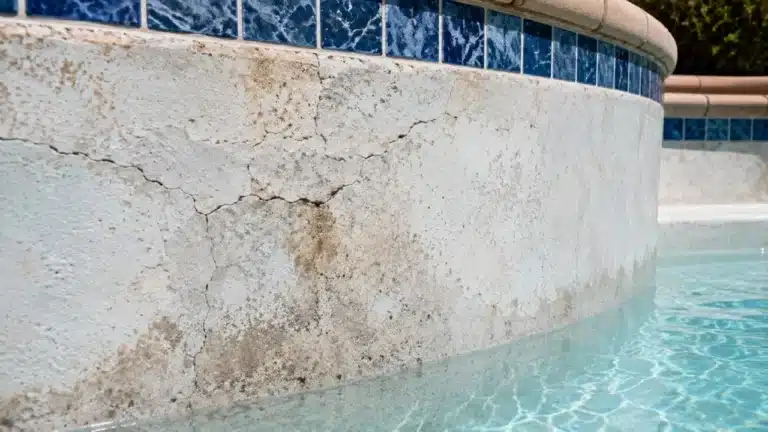
Cracking, delamination (hollow spots), stains, or roughness may indicate deeper issues than “old plaster.” Once the old finish is removed, problems like rusted steel, bond failures, or previous patchwork can require corrective work.
- Hollow plaster: May require deeper chip-out to reach a sound substrate.
- Structural cracks: Can require specialized repair methods rather than cosmetic patching.
- Leak-related damage: Can undermine decks, raise soil moisture, and compromise plumbing lines.
Because these conditions aren’t always visible until demo, reputable contractors often specify what is included versus what becomes an additional repair item if discovered.
Finish selection (plaster vs. pebble vs. specialty blends)
Interior finish choice affects not just aesthetics, but also install complexity and long-term maintenance. Some finishes are more forgiving visually; others highlight trowel marks or uneven prep.
- Traditional plaster: Generally the simplest application, but more sensitive to chemistry and brushing during startup.
- Quartz blends: Often chosen for added durability and color options, with a different feel and appearance than standard plaster.
- Pebble finishes: Typically involve additional material cost and labor steps to expose and finish the surface texture.
No finish is “maintenance-free.” San Diego’s year-round use and warm spells can magnify the impact of inconsistent water balance on any surface.
Tile, coping, and deck work scope
Waterline tile replacement is common during resurfacing, but costs vary with tile type, layout complexity, and how the old tile bed is removed. Coping and decks can add substantial labor depending on demolition and concrete repair needs.
- Tile: Straight-set porcelain tile differs from glass mosaics in both labor and materials.
- Coping: Replacement may require bond beam repair and re-leveling.
- Decking: Concrete demolition, new pour thickness, slope corrections, and drains affect pricing and schedule.
Equipment upgrades and plumbing modernization
Equipment is often upgraded during renovation to improve efficiency, reliability, and compatibility with new features. The more plumbing that needs to be reworked at the equipment pad (or underground), the more labor and troubleshooting time to budget.
- Variable-speed pumps: Common upgrade for quieter operation and energy savings, but proper plumbing sizing and programming matter.
- Filters: Cartridge, DE, and sand systems each have different maintenance and footprint considerations.
- Heaters/heat pumps: Require attention to gas line sizing or electrical service capacity, venting, and clearances.
Access, staging, and site constraints
Backyard access strongly affects labor, disposal, and equipment staging. San Diego properties with tight side yards, stairs, or slopes often require more manual hauling and protection of existing landscaping or hardscape.
- Narrow access can limit skid steer use for demo and material movement.
- Hillside lots can require extra safety precautions and time for debris removal.
- HOA rules or limited street parking can affect staging logistics.
Renovation Options Compared: Scope, Purpose, and Planning Notes
When you compare proposals, it helps to sort them by scope category rather than by total price alone. The table below summarizes common renovation components and what they typically involve so you can align bids to your actual goals.
| Renovation Component | What It Typically Includes | San Diego Planning Considerations |
|---|---|---|
| Resurfacing (interior finish) | Drain, prep/demo, patching as specified, bond coat (if used), new plaster/quartz/pebble application, initial startup guidance | Year-round use makes curing/startup brushing and water balance especially important; plan for fill time and limited swim downtime |
| Waterline tile replacement | Remove existing tile, repair tile line, install new tile, grout, clean and seal where applicable | Hard water and evaporation can increase scale at the waterline; ask how old thinset/mortar beds are removed and the substrate is prepped |
| Coping repair or replacement | Remove/replace coping stones or poured edge, repair bond beam as needed, reset elevations, seal joints | Movement cracks can reappear if the underlying beam is compromised; confirm how cracks and bond beam spalls are addressed |
| Equipment set upgrades | Pump, filter, valves, partial pad plumbing, automation options, heater/heat pump as selected | Confirm electrical capacity and gas/electrical routing early; variable-speed pump setup and turnover goals should be discussed |
| Lighting and electrical improvements | LED light replacement, conduit checks, junction/transformer updates, bonding/grounding verification as required | Electrical work may require permits/inspections depending on scope; use qualified trades and clarify what is included in the bid |
How to Compare Pool Renovation Bids Without Getting Surprised
The best way to evaluate competing bids is to standardize the scope and ask targeted questions about prep, repairs, and allowances. A low bid can be legitimate—or it can omit critical steps that become expensive later.
Use this checklist to compare proposals line-by-line:
- Define the finish system: Confirm the exact interior finish type, color, and any optional upgrades.
- Verify demo depth and prep steps: Ask how hollow areas are identified and handled, and what substrate condition is required before new material is applied.
- Clarify tile and coping quantities: Linear feet, tile height, and whether specialty cuts or corner details are included.
- Confirm repair allowances: Determine what happens if cracked fittings, failed skimmers, or rebar damage is found.
- Review equipment models and warranty terms: Ensure the proposal lists specific equipment (or clearly defined equivalents), not vague descriptions.
- Ask about schedule and sequencing: Understand the estimated downtime, cure time, and when you can refill and start filtration.
- Water chemistry startup plan: Confirm who is responsible for startup brushing and initial balancing during the curing phase.
Also confirm who is responsible for permits if the project includes electrical, gas, or major structural modifications. Requirements can vary based on the exact scope, and the contractor should be transparent about what’s needed.
Common Renovation Add-Ons That Affect Budget (and Value)
Add-ons can be worthwhile if they improve safety, reduce future maintenance, or bundle labor efficiently while the pool is already drained and under construction. The key is choosing upgrades that align with how you actually use your swimming pool.
- LED pool lights: Often selected for lower energy use and improved color/brightness options compared with older fixtures.
- Automation controls: Helpful if you want scheduled pump speeds, heater control, or integrated spa operation—especially when paired with a variable-speed pump.
- New returns and suction covers: Can improve circulation and update aging fittings; compatibility depends on existing plumbing and shell penetrations.
- Skimmer replacement: Sometimes necessary if the throat is cracked or deteriorated; this can become a more involved repair depending on deck/coping conditions.
- Deck drains and slope corrections: Helps manage runoff and reduce water intrusion toward the pool beam and surrounding structures.
When considering add-ons, ask if they require additional demolition (deck cuts, new conduit paths, trenching) so you can weigh the true installed cost rather than just the component price.
Timeline: What to Expect During a San Diego Pool Renovation
Most renovations follow a predictable sequence, but the schedule can change if repairs are uncovered, materials are backordered, or inspections are required. Understanding the phases helps you plan for access restrictions, noise, and downtime.
- Site protection and draining: Protect decking, landscaping, and access paths; drain per local best practices.
- Demo and surface prep: Chip-out/strip, clean, inspect, and complete specified repairs.
- Tile/coping work: Set tile/coping, grout, and cure as required before proceeding.
- Equipment/plumbing/electrical: Replace or rework at the pad, update lights, and complete any required testing.
- Interior finish installation: Apply new finish and complete finishing steps specific to the material.
- Fill and startup: Refill, start filtration, brush on schedule, and balance chemistry during curing.
If you’re comparing renovation versus new construction timing for planning purposes, it can help to review how long larger pool projects can take in general at how long it takes to build a swimming pool. Renovations are usually shorter than full builds, but they can still extend if structural repairs or permitting are involved.
When Repairs Are Likely (and Why They Matter)
Some pools need more than a new finish to perform correctly. Addressing underlying issues during renovation can prevent repeated failures like recurring cracks, persistent stains, or chronic water loss.
Repairs that commonly appear during renovation evaluation or demolition include:
- Leak-related repairs: Failed fittings, aging hydrostatic relief components, or compromised penetrations can cause ongoing water loss and soil movement.
- Bond beam and coping damage: Spalling concrete and cracked beams can compromise the tile line and coping alignment.
- Outdated or damaged plumbing at the pad: Brittle valves, undersized lines, or poor past repairs can limit circulation and make future service harder.
- Electrical corrections: Aging conduit runs, junction box issues, or bonding concerns should be evaluated by qualified professionals when lights or equipment are replaced.
If you suspect the pool has unresolved issues (like suspected leaks or recurring surface failures), it may be more efficient to start with targeted San Diego Pool Repair planning before locking in a cosmetic-only scope. That approach can reduce change orders and help ensure the renovated pool performs as expected.
Smart Budgeting Tips for San Diego Homeowners
Budgeting for a pool renovation is easier when you separate “must-fix” items from “nice-to-have” upgrades, and when you plan for uncertainty in hidden conditions. A well-scoped plan helps you avoid paying twice for demolition or mobilization.
- Prioritize watertightness and structure first: If there’s any leak suspicion or major cracking, resolve it before investing in premium finishes.
- Bundle work while the pool is drained: Tile, lights, and certain plumbing upgrades are often more efficient during a resurfacing project.
- Ask for alternates: Request “good/better/best” options (finish types, tile choices, equipment levels) within the same proposal to compare value.
- Plan for contingencies: Unknown conditions behind old plaster, tile, or decks can add scope; ask how those are priced if discovered.
- Match upgrades to usage: If you rarely heat the pool, a heater upgrade may not be the best ROI compared to circulation improvements.
Finally, keep maintenance in mind. A renovated swimming pool will last longer and look better with consistent brushing where recommended, stable water balance, and periodic equipment checks—especially during warm months when sanitizer demand is higher.
Making the Renovation Plan Fit Your Backyard and Your Priorities
The right renovation scope balances appearance, longevity, and system reliability—while staying realistic about what the existing pool can support. The most useful bids are the ones that clearly define prep, materials, and what happens if hidden repairs are uncovered.
If your main goal is a fresh look, focus on finish and tile with a clear startup plan. If your goal is fewer service calls and better performance, consider pairing resurfacing with plumbing/equipment updates that improve circulation, filtration, and electrical safety. Either way, a well-defined scope and detailed comparison process are the most practical tools for controlling pool renovation cost San Diego homeowners face and avoiding avoidable surprises.
Frequently Asked Questions
What factors most affect pool renovation cost in San Diego?
Pool renovation cost in San Diego is most affected by pool size, surface condition, finish selection, and how much equipment, plumbing, tile, coping, and decking work is included. Access constraints and hidden repairs discovered during demolition can also change pricing significantly.
What should a professional pool renovation estimate include?
A professional estimate should clearly list the scope, prep and demolition methods, finish specifications, tile/coping quantities, equipment models or equivalents, and startup responsibilities. It should also state exclusions, allowances for unknown conditions, and how additional repairs or change orders are handled.
Why do some resurfacing projects turn into larger renovations?
Some resurfacing projects expand because demolition can reveal hollow plaster, cracked fittings, bond failures, rusted rebar, or leak-related damage. Fixing these issues before applying a new finish helps prevent repeat failures, but it adds labor and specialty repair scope.
How can I compare San Diego pool renovation bids without surprises?
You can compare bids by standardizing the scope and confirming exact finish type, demo depth, tile and coping quantities, repair allowances, and equipment details. Ask who handles permits and startup water balancing, and verify what happens if leaks, skimmer damage, or electrical issues are found.
When is it smart to upgrade equipment during a pool renovation?
It is smart to upgrade equipment during renovation when pumps, filters, heaters, or pad plumbing are aging or incompatible with your goals. Doing it while the pool is drained can reduce duplicated labor, but electrical capacity, gas lines, and programming requirements should be evaluated first.
Get a Clear, Comparable Pool Renovation Plan for Your San Diego Home
If you’re weighing resurfacing, tile/coping updates, or equipment changes, a quick conversation can help you turn “ballpark” numbers into a scope that fits your pool’s condition and your priorities. The right plan makes it easier to compare bids, understand what’s included, and avoid surprises when demolition reveals hollow areas, cracks, or outdated plumbing and electrical details.
Talking through access constraints, finish options, and startup responsibilities upfront can also protect the long-term look and performance of your new surface—without overbuilding a project you don’t need.
Reach out to Baja Pool Plaster to discuss your renovation goals and next steps.