San Diego County may be seeing the beginning of a rent “pressure release valve,” thanks to a wave of new apartment construction that’s gradually expanding housing supply. A new forecast from the University of Southern California (USC) projects rents will still rise through 2029, but at a slower pace—an important shift for residents, landlords, and property investors across San Diego, California.
For homeowners and multi-family property operators in San Diego, this trend has a practical side effect: as more renters have options, property value is increasingly tied to unit quality, amenities, and durable upgrades—not just scarcity. That includes outdoor living features that influence leasing decisions, such as a well-finished swimming pool.
San Diego’s Rent Forecast: What the USC Report Says and Why It Matters
Who released the forecast
The forecast comes from the USC Lusk Center for Real Estate’s Casden Real Estate Economics Forecast. The report includes commentary from Moussa Diop, an associate professor of real estate at the USC Sol Price School of Public Policy, who emphasized that affordability requires sufficient housing supply.
What is expected to happen to rents
USC projects average annual rent growth of about 1.5% in San Diego County through 2029. According to the report’s figures, the county’s average rent was $2,592 as of June and is projected to reach $2,707 by June 2029—showing continued increases, but not the kind of spikes seen during tighter supply cycles.
Where these trends are showing up most
The focus is San Diego County, with comparisons drawn to Orange County and other Southern California markets. The report notes that San Diego County rents are now roughly 7% lower than Orange County’s, where the average rent was cited at $2,792 in June.
When the change started
The report attributes the easing pressure in part to apartment deliveries since late 2023. It estimates San Diego County added about 16,000 apartments during that period—roughly double the new supply added in Orange County.
Why vacancy and absorption matter to renters and owners
Vacancy is a key driver of pricing power. The report says San Diego County’s vacancy rate was 6.31% in June and is expected to fall to about 4.9% as newly built units are absorbed. In plain terms: new buildings help initially, but demand can still tighten the market over time.
What This Apartment Boom Signals for Property Owners and HOAs in San Diego
As more apartments come online in San Diego, property owners can’t rely on “limited supply” alone to command premium rents. Competition shifts toward livability, maintenance standards, and amenities that photograph well and reduce ongoing repair costs.
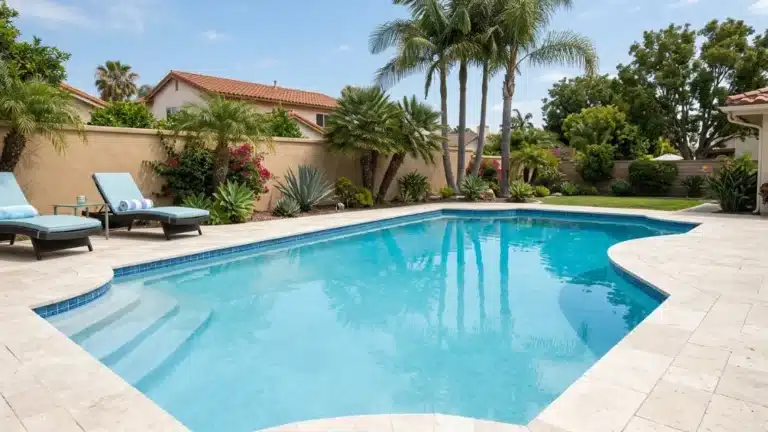
That’s where outdoor upgrades—particularly swimming pools—become a more strategic investment. In many San Diego, California neighborhoods, a pool isn’t just a luxury; it’s a differentiator for higher-end rentals, small multi-family properties, and short-term rental-adjacent markets (where permitted).
The USC forecast also cautions that new housing deliveries may slow due to inflation, elevated interest rates, and high construction costs. If construction slows and demand remains steady, San Diego could return to tighter conditions. For owners, that means now is the window to strengthen a property’s long-term competitiveness before the next squeeze.
How Baja Pool Plaster Fits Into the Moment for San Diego Property Improvements
Baja Pool Plaster supports San Diego-area property owners as a swimming pool contractor focused on pool plaster and pool finish durability—helping keep pools looking modern, clean, and rental-ready. In a market where renters are gaining leverage through increased supply, pool condition can influence leasing appeal and perceived property value.
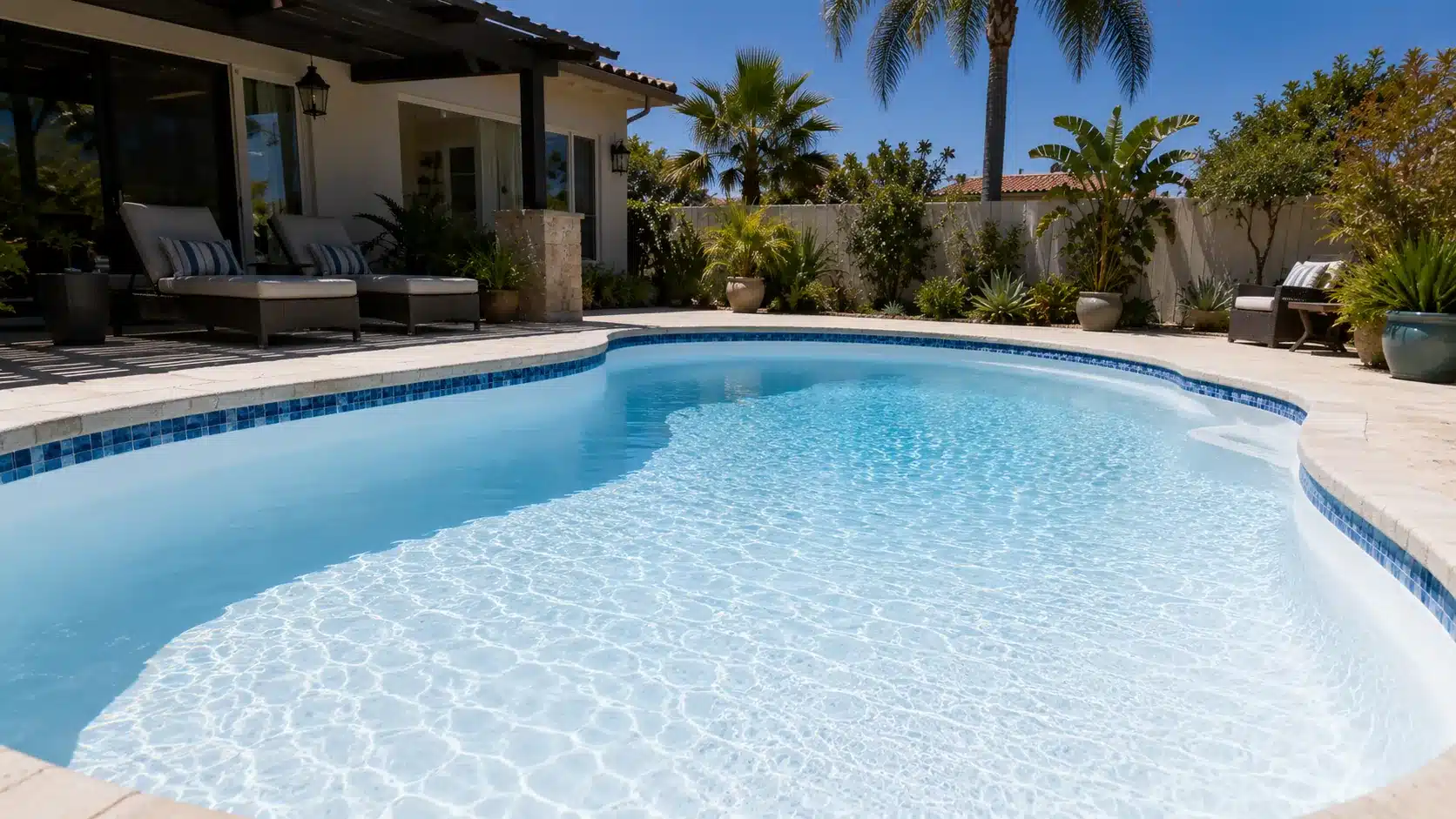
If you own a rental property, manage an HOA, or are upgrading a multi-family asset in San Diego, resurfacing or refreshing a pool finish can be a practical way to compete—especially when new apartments nearby are trying to attract tenants with newer amenities.
San Diego Rental Market: Practical Next Steps for Owners and Property Managers
- Audit your property’s “tenant decision” amenities: pools, patios, lighting, and common areas matter more when renters have options.
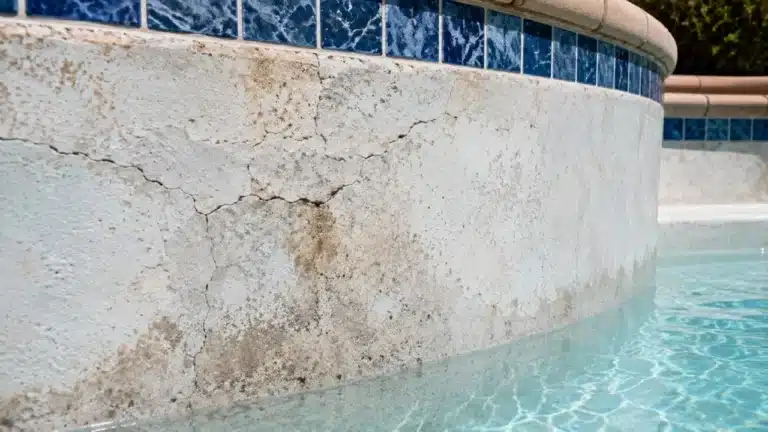
- Look for early pool surface warning signs: discoloration, flaking, rough patches, visible cracking, or persistent algae staining.
- Plan improvements before peak leasing season to avoid scheduling delays and maximize marketing impact.
- Budget for lifecycle maintenance, not emergency repairs—reactive work costs more and disrupts tenants.
- If you manage an HOA in San Diego, align reserve planning with realistic resurfacing timelines and usage patterns.
Frequently Asked Questions
Will San Diego rents go down because more apartments were built?
The USC forecast does not predict rent declines overall. It projects slower rent growth—about 1.5% annually through 2029—suggesting the apartment boom may reduce extreme rent pressure, even if rents continue rising over time in San Diego County.
Why is San Diego now cheaper than Orange County in the forecast?
The report attributes the pricing gap partly to new supply. It estimates San Diego County added about 16,000 apartments since late 2023—roughly twice Orange County’s additions—helping keep San Diego rents about 7% below Orange County’s average in the cited period.
How does a more competitive rental market affect property upgrades in San Diego?
When renters have more options, property condition matters more. Clean, durable finishes and appealing amenities can reduce vacancy time and support pricing. In San Diego, outdoor features like pools can influence tours, online impressions, and overall tenant satisfaction.
What are the signs a pool needs replastering or refinishing?
Common signs include roughness underfoot, visible cracking or flaking, stubborn staining, discoloration, and surfaces that seem harder to keep clean. If chemicals are becoming harder to balance or the pool looks worn in photos, it may be time to evaluate resurfacing.
Do higher interest rates and construction costs impact pool renovation decisions?
Yes. The same cost pressures that can slow new housing development can also affect renovation pricing and scheduling. For San Diego property owners, planning pool improvements earlier—rather than waiting for urgent repairs—can help control costs and minimize downtime.
Scheduling Pool Surface Improvements in San Diego While the Market Adjusts
As San Diego, California continues absorbing new apartment supply, property owners who keep amenities in top condition can stay competitive even as rent growth moderates. If your pool plaster is aging, stained, or deteriorating, consider getting a professional evaluation and a clear scope of work.
To discuss pool plaster and pool finish options for your San Diego property, contact Baja Pool Plaster.
This article is a commentary-based rewrite for informational purposes, based on this source.