
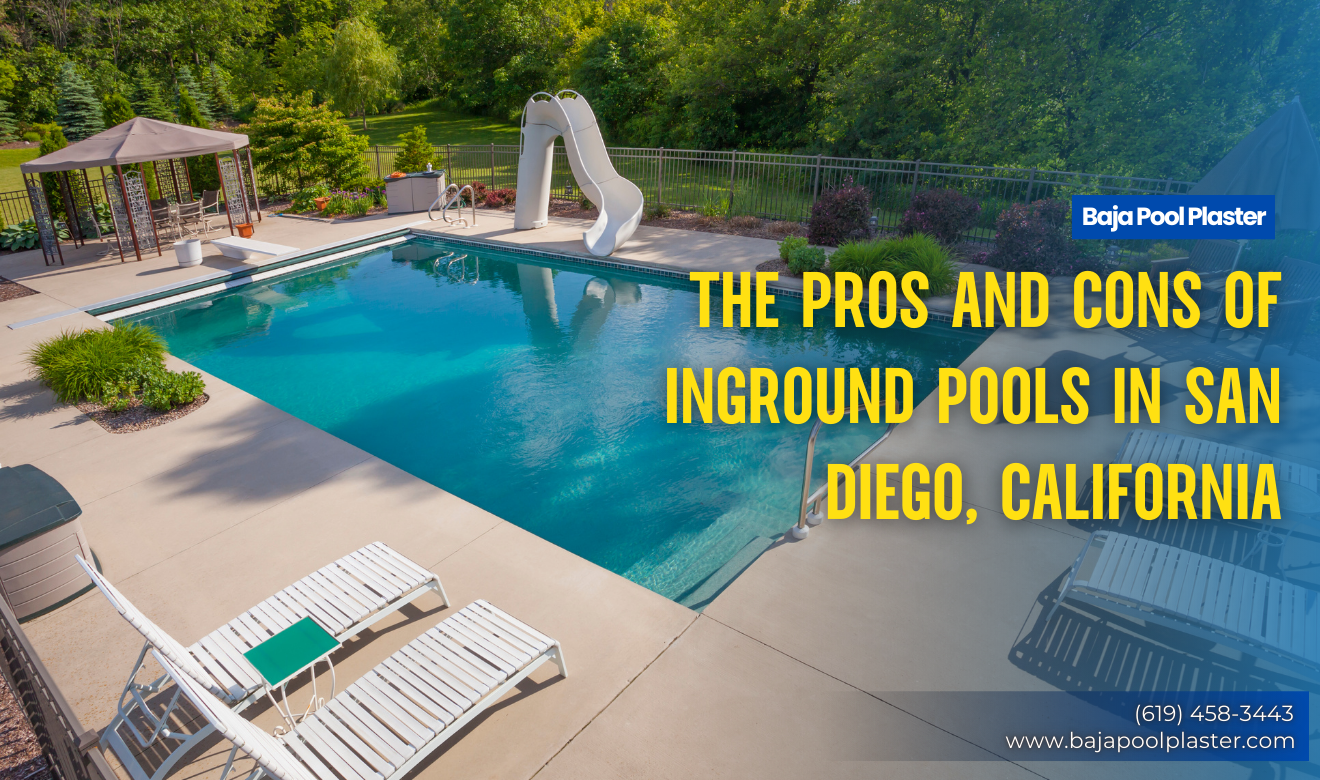
Inground pools can be a great fit in San Diego, but they come with real trade-offs. If you’re considering inground pool installation San Diego, the biggest pros are long swim seasons, strong home-appeal, and a backyard that feels like a private resort. The biggest cons are higher upfront costs, ongoing maintenance, and the need to plan around permits, soil conditions, and water use.
For example, a family in Clairemont might love having a simple rectangular pool for laps and weekend play, while someone in La Jolla may prefer a custom shape with a spa and hillside engineering. On the flip side, a smaller yard in North Park could limit pool size and require more creative decking, and a saltwater system still needs regular testing and occasional equipment repairs. Knowing these pros and cons upfront helps you decide if an inground pool matches your budget, lifestyle, and property.
Quick Snapshot: Is an Inground Pool Worth It in San Diego?
If you’re weighing inground pool installation San Diego, it helps to separate the “daily life” benefits from the “project reality” costs. Here’s the simplest way to think about it:
- Worth it if: you’ll swim often (or host often), you plan to stay in the home for years, and you can budget for upkeep.
- Not worth it if: you rarely use pools, you’re stretching the budget to build it, or your yard/lot constraints make construction complex and expensive.
Why San Diego Is One of the Best Places for an Inground Pool
San Diego’s climate is a big reason inground pool installation San Diego remains popular. Mild weather supports longer swim seasons, and many homeowners get real lifestyle value—not just resale value.
Top Advantages Homeowners Notice First
- Longer swim season: Compared to colder states, pool time stretches across more months (especially with a heater or solar).
- Better outdoor living: A pool often “completes” the yard, making it feel like a destination.
- Entertaining and family time: Weekends become easier—barbecue, swim, repeat.
- Fitness at home: Lap swimming, low-impact rehab, or water workouts without a gym schedule.
The Real Trade-Offs: Cost, Maintenance, and Construction Factors
The biggest surprises with inground pool installation San Diego aren’t usually the pool shell—they’re the site conditions, permit timelines, and long-term operating costs.
Common Challenges to Expect
- Upfront investment: Excavation, steel, plumbing, electrical, decking, and finish materials add up quickly.
- Ongoing maintenance: Water chemistry, filtration, cleaning, and periodic equipment replacement.
- Permits and inspections: San Diego County/city requirements can affect start dates and overall schedule.
- Soil and slope complications: Hillside engineering, caissons, retaining walls, or soil export can shift budgets.
- Water considerations: Evaporation, refills, and responsible use during dry periods.
Featured Snippet-Friendly Answer: What Does Inground Pool Installation in San Diego Typically Include?
Inground pool installation San Diego typically includes design, engineering (if needed), permits, excavation, steel/rebar, plumbing, electrical, gunite/shotcrete, tile/coping, decking, interior finish (plaster/pebble), equipment start-up, and final inspections.
Design Choices That Affect Budget (and Daily Enjoyment)
Two pools can look similar in photos but cost very different amounts in real life. With inground pool installation San Diego, these features most often drive price and complexity.
Biggest Cost Drivers
- Shape and size: Simple rectangles are generally more efficient than complex freeform designs.
- Depth profile: Deeper pools typically increase excavation and materials.
- Finish selection: Standard plaster vs. upgraded pebble or quartz finishes.
- Decking and hardscape: Concrete, pavers, drainage, seat walls, and outdoor kitchens.
- Water features: Sheer descents, waterfalls, scuppers—beautiful, but added plumbing and maintenance.
- Spa add-on: A spa can significantly increase plumbing, gas/electrical, and controls complexity.
- Automation and lighting: Great for convenience, but adds equipment cost.
San Diego Neighborhood Examples (How Choices Play Out)
- Clairemont: Many lots fit a straightforward pool + deck layout, keeping inground pool installation San Diego more predictable.
- La Jolla: Hillside lots and high-end finishes often require engineering and premium materials.
- North Park: Smaller yards can mean tighter access, creative decking, and space-optimized equipment placement.
Timeline: How Long Does It Take to Build?
Schedules vary with permits, inspections, site access, and weather. For a practical breakdown of phases and what can slow things down, see how long it does it take to build a swimming pool.
In general, inground pool installation San Diego tends to move faster when:
- Plans are complete and realistic (no last-minute redesigns).
- Access is easy for excavation and material delivery.
- Inspections are scheduled promptly.
- Materials (tile, coping, finish) are selected early and in stock.
Maintenance Reality Check (So You’re Not Surprised Later)
Owning a pool is absolutely manageable, but it’s not “set it and forget it.” Most homeowners succeed when they plan for simple weekly routines and occasional professional help. For swimmers who want the basics, a swimming pool is essentially a small water system that needs balanced chemistry and consistent filtration.
Weekly Pool Care Basics
- Test water chemistry (chlorine/sanitizer, pH, alkalinity).
- Empty skimmer and pump baskets.
- Brush walls and steps to prevent buildup.
- Skim debris and run the filter as recommended.
Saltwater vs. Chlorine: The Practical Difference
- Saltwater systems still create chlorine (they just generate it differently), so testing and balancing still matters.
- Traditional chlorine can be simpler upfront, but may require more frequent dosing depending on conditions.
If equipment issues pop up—leaks, pump noise, heater errors, filter problems—planning for professional San Diego Pool Repair can prevent small problems from turning into expensive damage.
Planning Around San Diego Permits, Codes, and Safety
A major part of inground pool installation San Diego is compliance: safety barriers, setbacks, and inspection steps. While exact rules depend on jurisdiction and property specifics, most projects need you to plan for:
- Fencing and self-closing gates (to reduce child access risk).
- Setbacks from property lines and structures.
- Electrical bonding/grounding and GFCI protections.
- Drain safety standards and compliant suction fittings.
Tip: The smoothest inground pool installation San Diego projects happen when engineering and permitting are addressed early—especially on slopes, near retaining walls, or where drainage could affect neighboring properties.
Cost Ranges and What They Usually Cover
Pricing varies widely based on access, finish level, and site conditions. Use this table as a planning guide, not a quote. For accurate numbers, your site needs a walkthrough and a plan set.
| Pool type (typical) | What’s usually included | What often increases cost |
|---|---|---|
| Basic rectangle pool | Standard shape, basic tile/coping, standard plaster, basic equipment | Tight access, upgraded decking, extra lighting, heater |
| Mid-level custom pool | Custom shape, upgraded finish, automation options, more detailed hardscape | Water features, complex plumbing, specialty materials, retaining walls |
| Pool + spa combo | Integrated spa, additional jets, extra controls, usually a heater | High-end tile, multiple pumps, advanced automation, larger gas/electrical scope |
| Hillside / engineered build | Engineering, structural considerations, drainage planning | Caissons, soil export, crane work, complex access logistics |
How to Choose the Right Builder (Without Regrets)
The contractor you pick can matter as much as the design. A quality inground pool installation San Diego experience usually comes down to planning, communication, and workmanship consistency.
What to Look For
- Clear scope: A detailed proposal that spells out materials, equipment, and allowances.
- Permit familiarity: Experience working with local requirements and inspection pacing.
- Site-specific thinking: Drainage, soil, and access planning—not just “pretty renderings.”
- Finish expertise: Plaster/pebble timing, start-up procedure, and curing guidance.
- Service plan: Who handles warranty items and post-build adjustments.
If you’re still comparing options for inground pool installation San Diego, it can help to review what to expect from a swimming pool contractor in San Diego—especially around project management and accountability.
Smart Ways to Control Long-Term Costs
The best budgets consider the build and the years after. Homeowners who feel happiest with inground pool installation San Diego usually do a few practical things upfront:
- Choose efficiency-minded equipment: Variable-speed pumps can reduce energy use compared to older single-speed setups.
- Add a pool cover: Helps reduce evaporation and heat loss (especially valuable if you heat the pool).
- Keep plumbing accessible: Smart equipment placement makes repairs less invasive later.
- Don’t oversize: Build the pool you’ll actually use; bigger water volume can mean bigger operating costs.
- Plan your deck drainage: Prevents future settling, staining, and runoff problems.
Bottom Line: Build It for the Life You Actually Live
Inground pool installation San Diego is a lifestyle upgrade when the pool matches how you’ll use it—laps, kids, entertaining, relaxation, or all of the above. It’s also a construction project with real variables: access, soil, permitting, and finish choices can make or break the experience.
The most reliable path is simple: design around your yard and routines, budget for maintenance, and hire a team that understands San Diego’s permitting and site conditions. When those pieces line up, inground pool installation San Diego can turn a normal backyard into a place you use constantly—not just something you look at.
Experience That Shows in the Details
Quality pool outcomes come from doing the fundamentals right: correct steel placement, sound plumbing and hydraulics, code-compliant electrical, and proper interior finish application and start-up. Prioritizing these build standards—and having support for service needs later—helps protect your investment and keeps inground pool installation San Diego enjoyable for the long haul.
Frequently Asked Questions
Ready to See If an Inground Pool Makes Sense for Your San Diego Yard?
If you’re weighing the pros, the cons, and the real-life costs of inground pool installation in San Diego, the next smart move is getting a site-specific plan—because your slope, soil, access, and finish choices can change everything. Baja Pool Plaster can help you map out a pool that fits how you actually live (and what you actually want to spend), so you can move forward with confidence instead of guesswork.